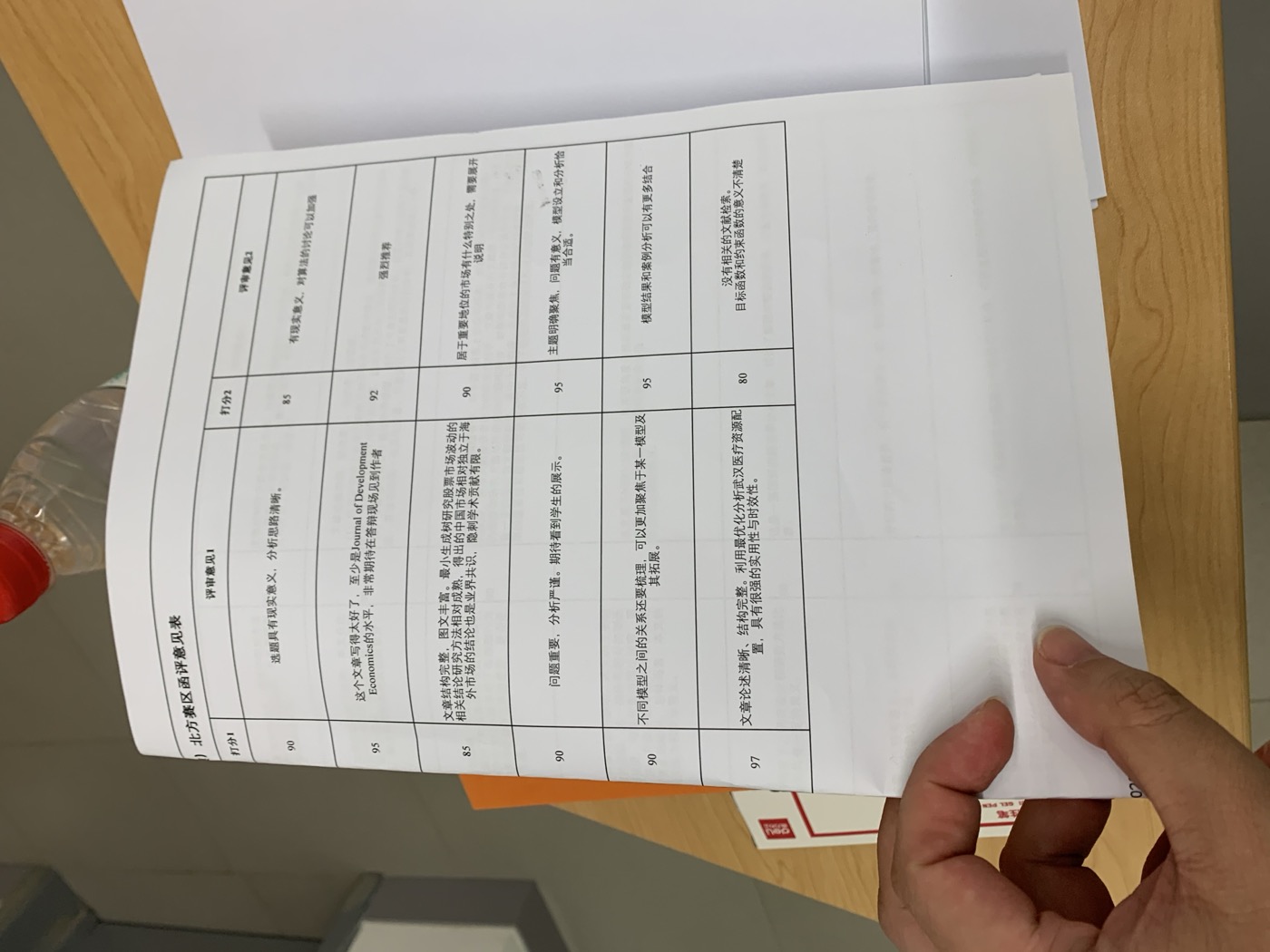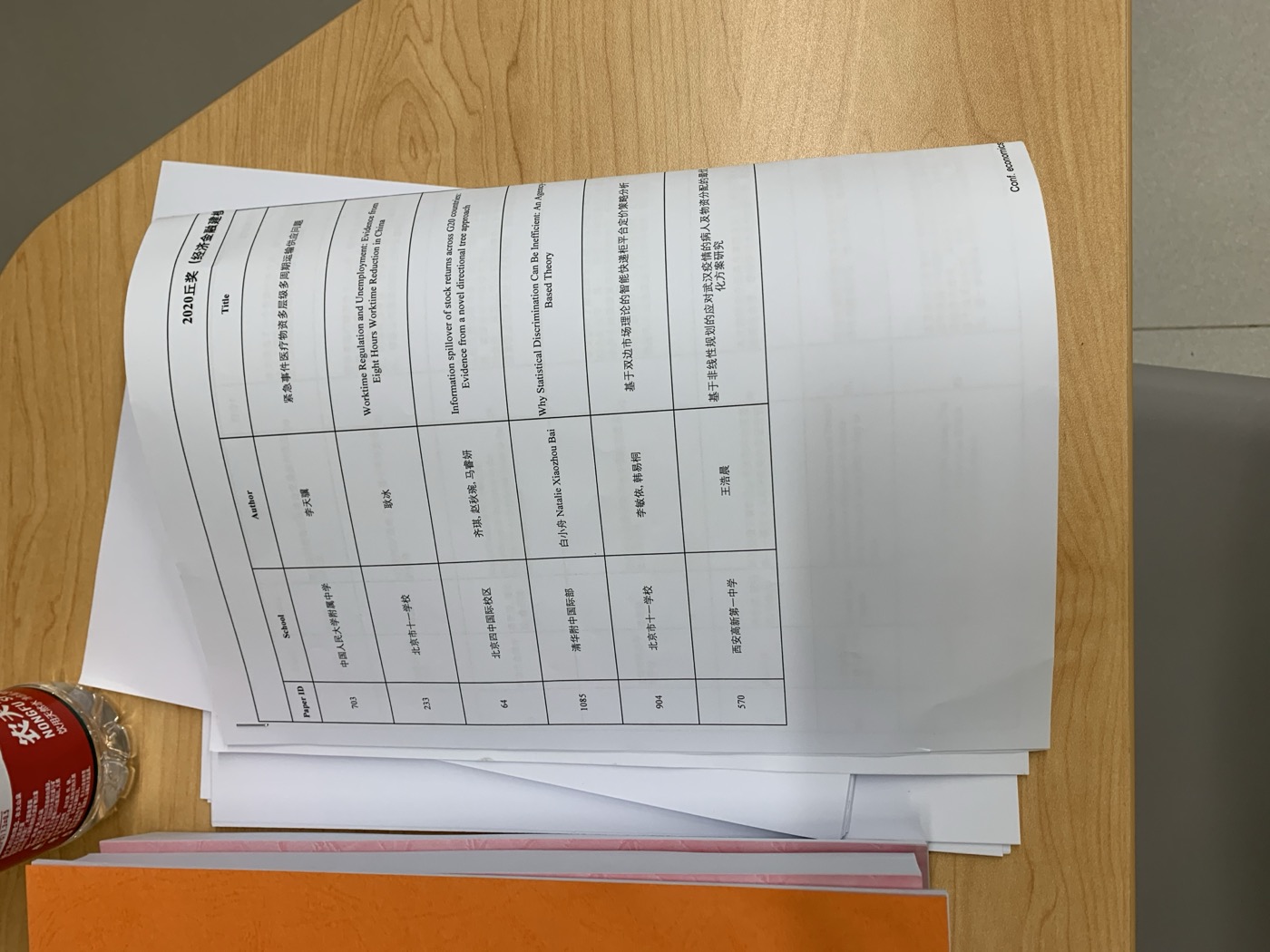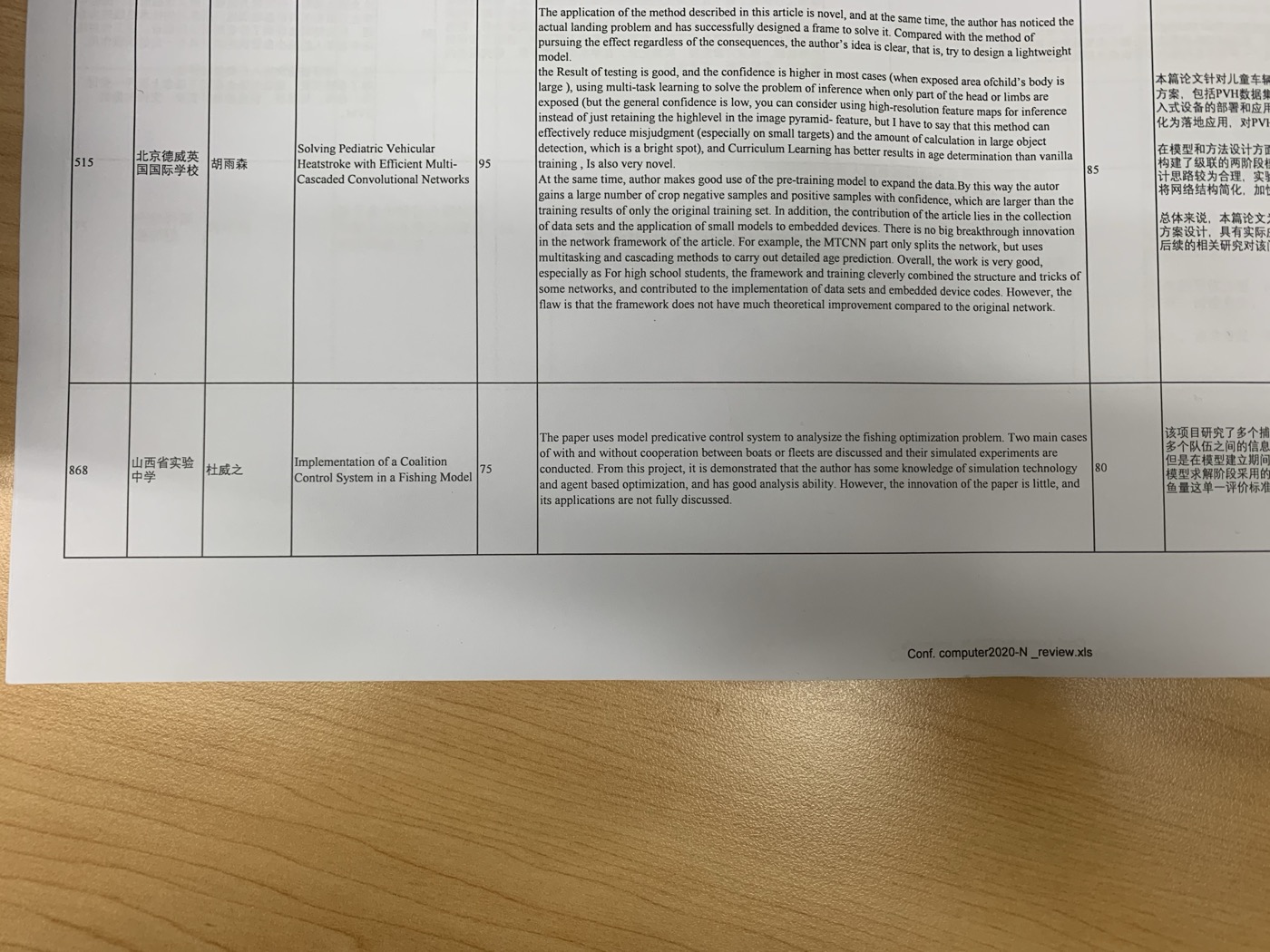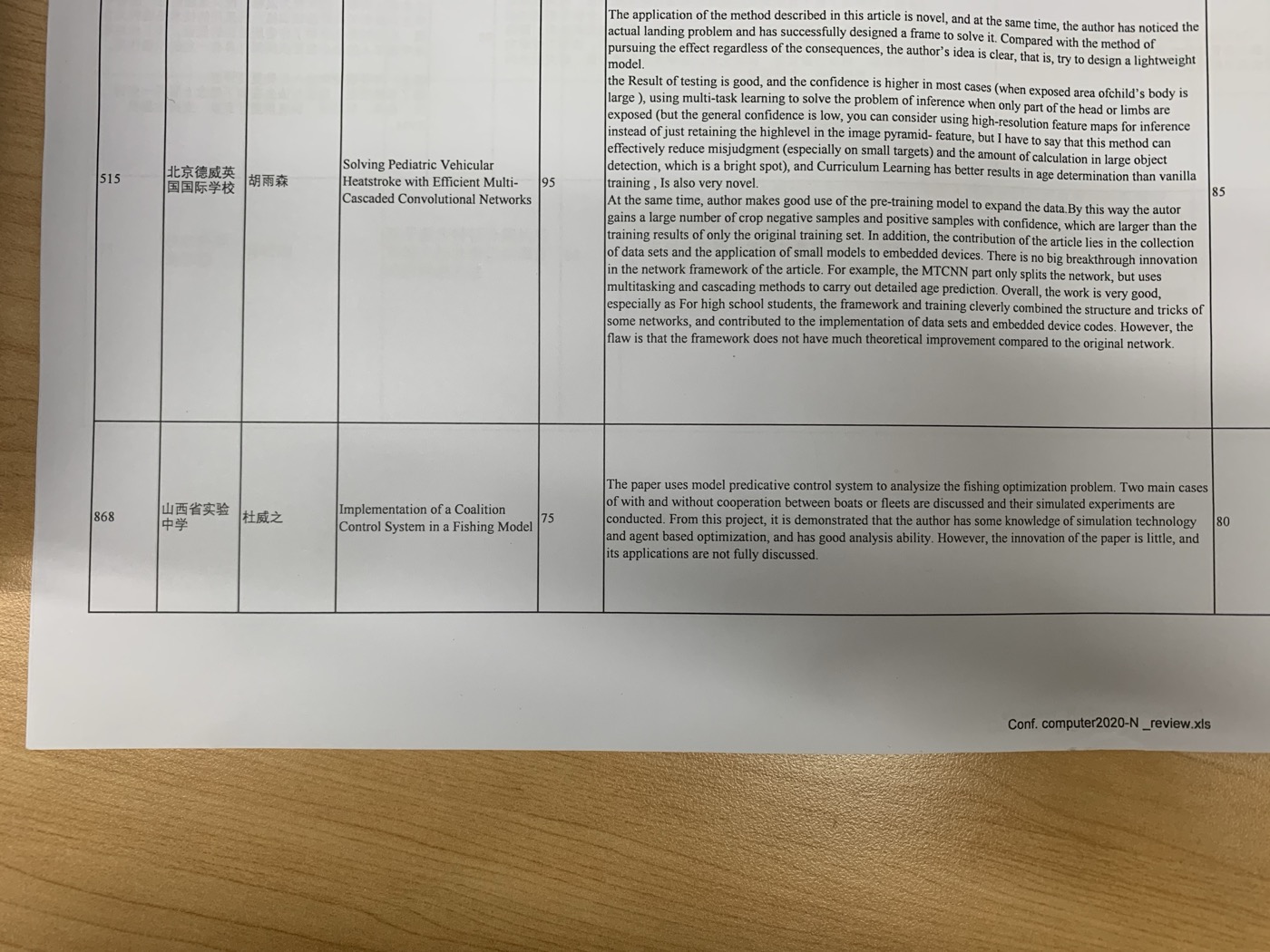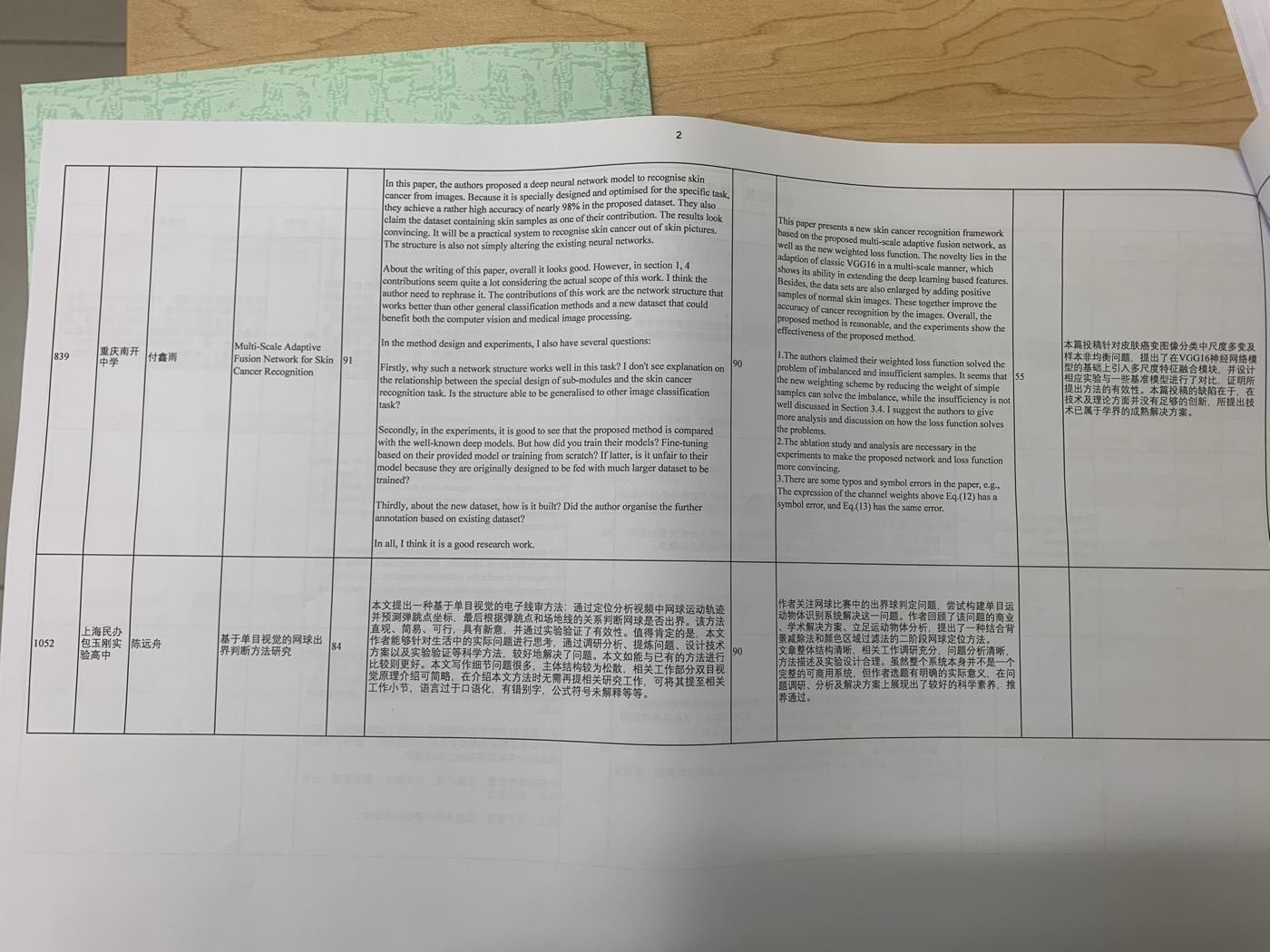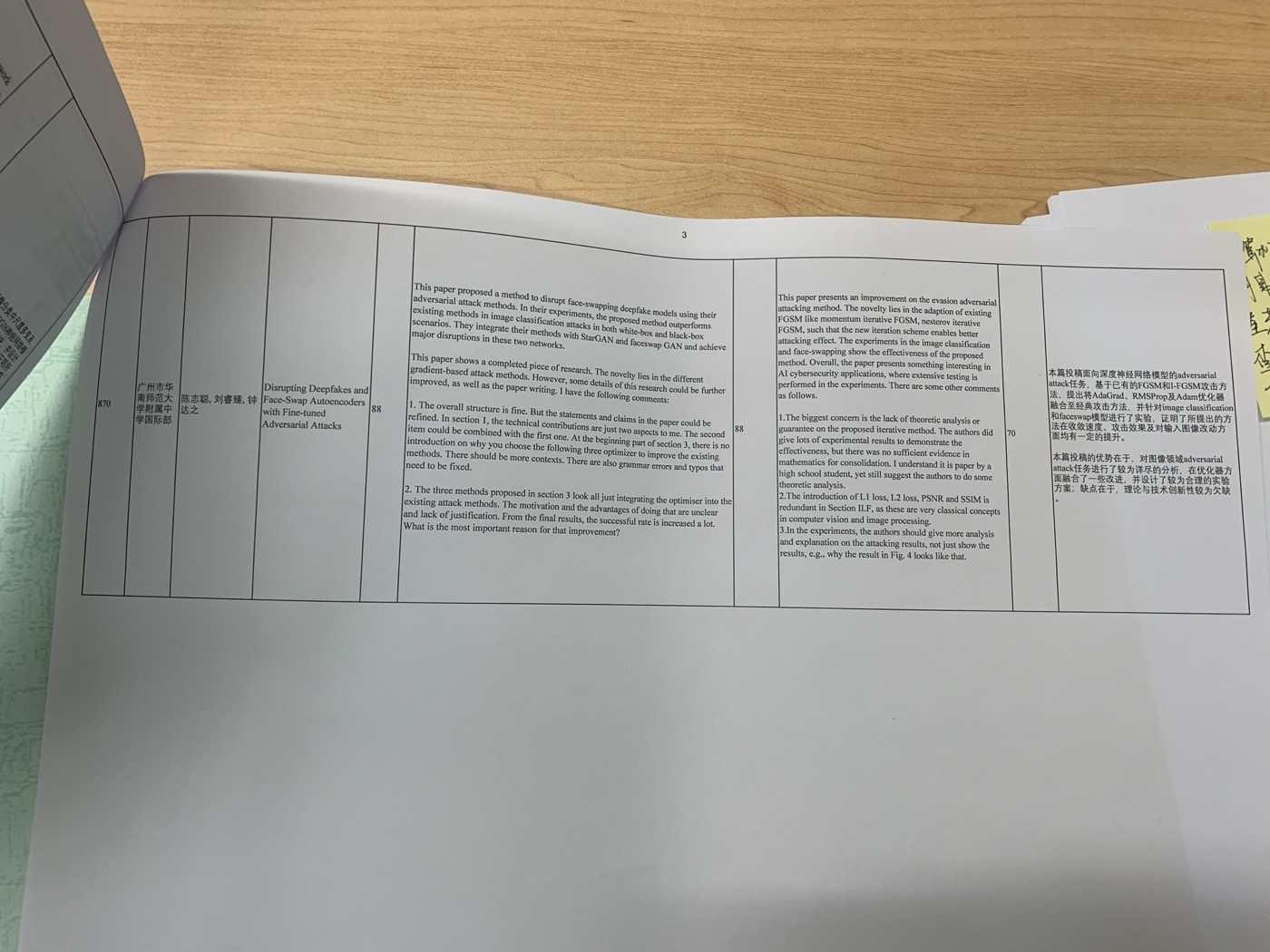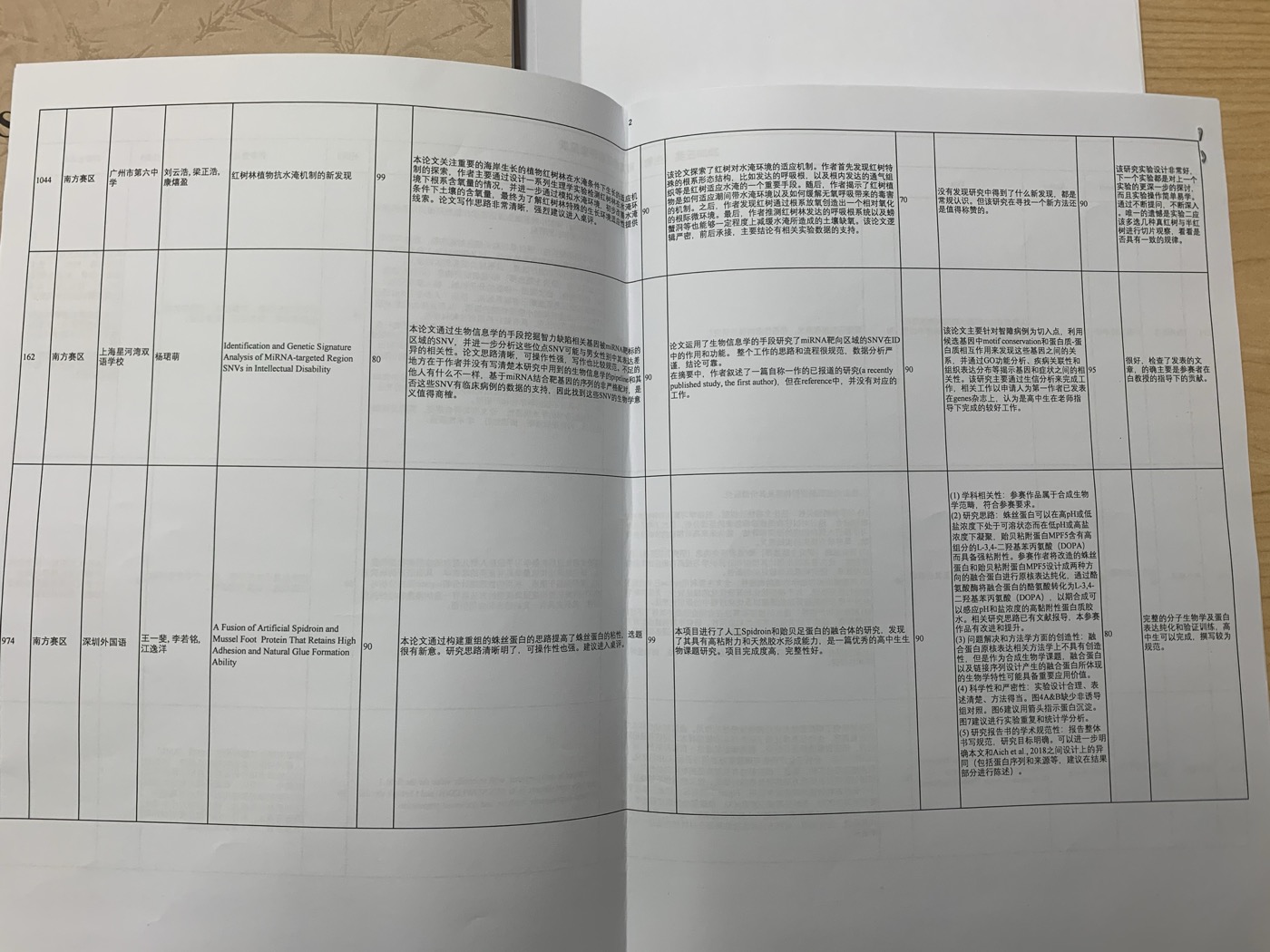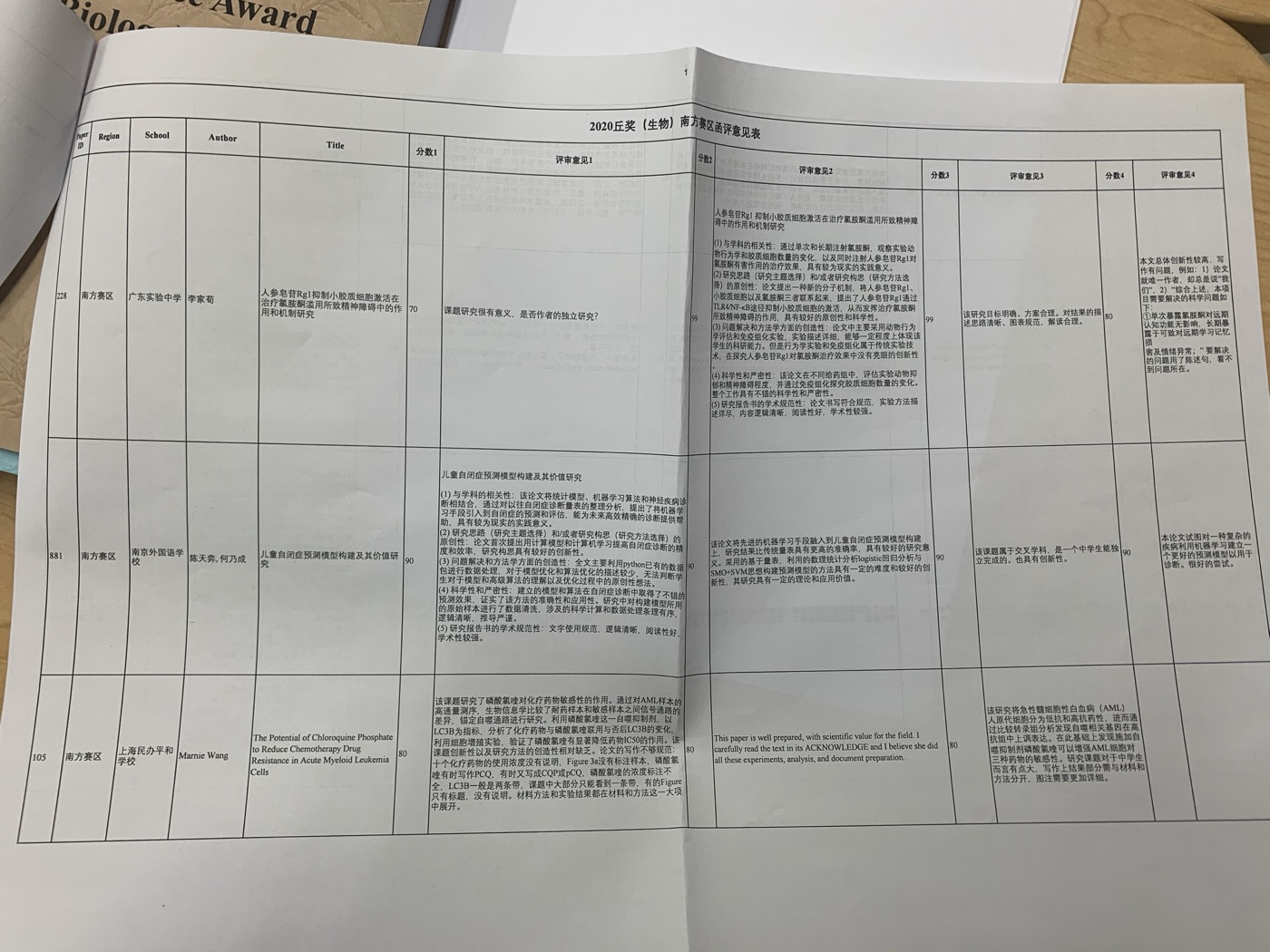
The S.-T. Yau Award (formerly the S.-T. Yau High School Science Award) runs a desk-review phase before inviting finalists to the in-person oral defense. This phase is sometimes called "table review" or "paper review" — judges evaluate submitted papers without meeting the students. Based on my experience both advising students through this stage and observing the process, here are the key points to understand and prepare for.
What the Desk Review Actually Is
The desk review is the first major filter. Judges receive submitted research papers and evaluate them on the basis of the written work alone — methodology, originality, depth of analysis, and quality of presentation. Students who pass advance to the semifinal oral defense; those who do not are eliminated regardless of their other qualifications.
This means the paper itself carries enormous weight. The oral defense matters, but a weak paper will not get you there.
Key Points for the Paper
- Research question clarity: The paper must have a clearly stated research question or hypothesis. Vague framing is one of the most common reasons papers score poorly at desk review.
- Methodology section: Judges look for a coherent, reproducible experimental or computational method. The method must match the research question being asked.
- Data and analysis: Raw data should be presented clearly; analysis should follow logically. Statistical treatment, where applicable, should be correct and appropriately applied.
- Originality: The S.-T. Yau Award at the top level rewards genuine intellectual contribution. Work that replicates a known result without meaningful extension will not score well, even if competently executed.
- Citations: Literature must be cited properly and completely. Reviewers notice missing foundational references.
- Length and presentation: Papers that are too long, or that bury key findings in appendices, disadvantage themselves. Lead with what matters.
What Judges Are Looking For
The desk review is not purely a technical assessment. Judges are also evaluating whether the student appears to understand what they did — whether the paper reads as the work of someone who genuinely conducted the research, or as a document assembled from external inputs. This distinction matters, because the oral defense will probe exactly this.
A paper that oversells its results, or that makes claims the underlying data cannot support, will draw scrutiny not just at desk review but from the defense panel afterward.
Process Photos
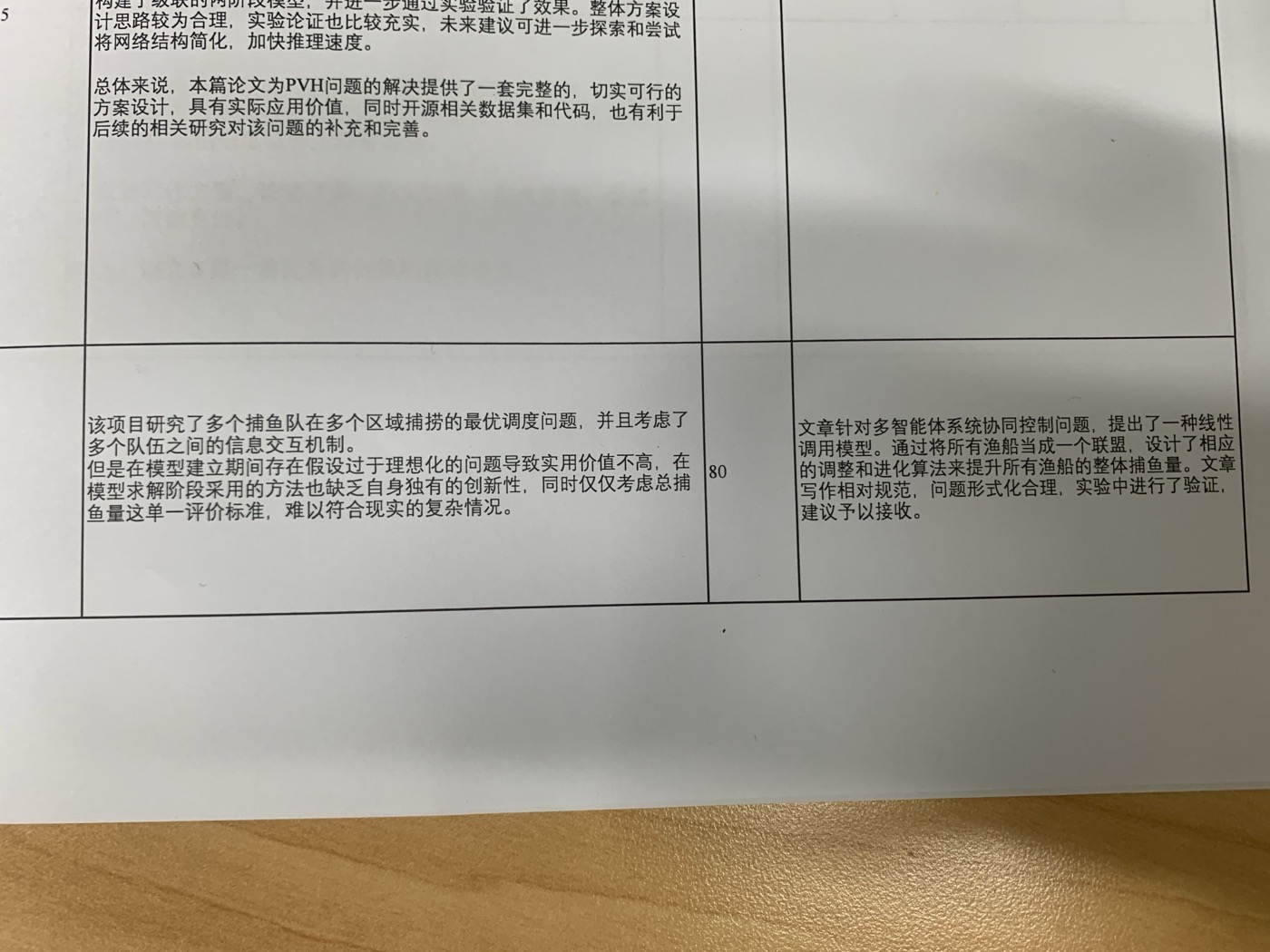
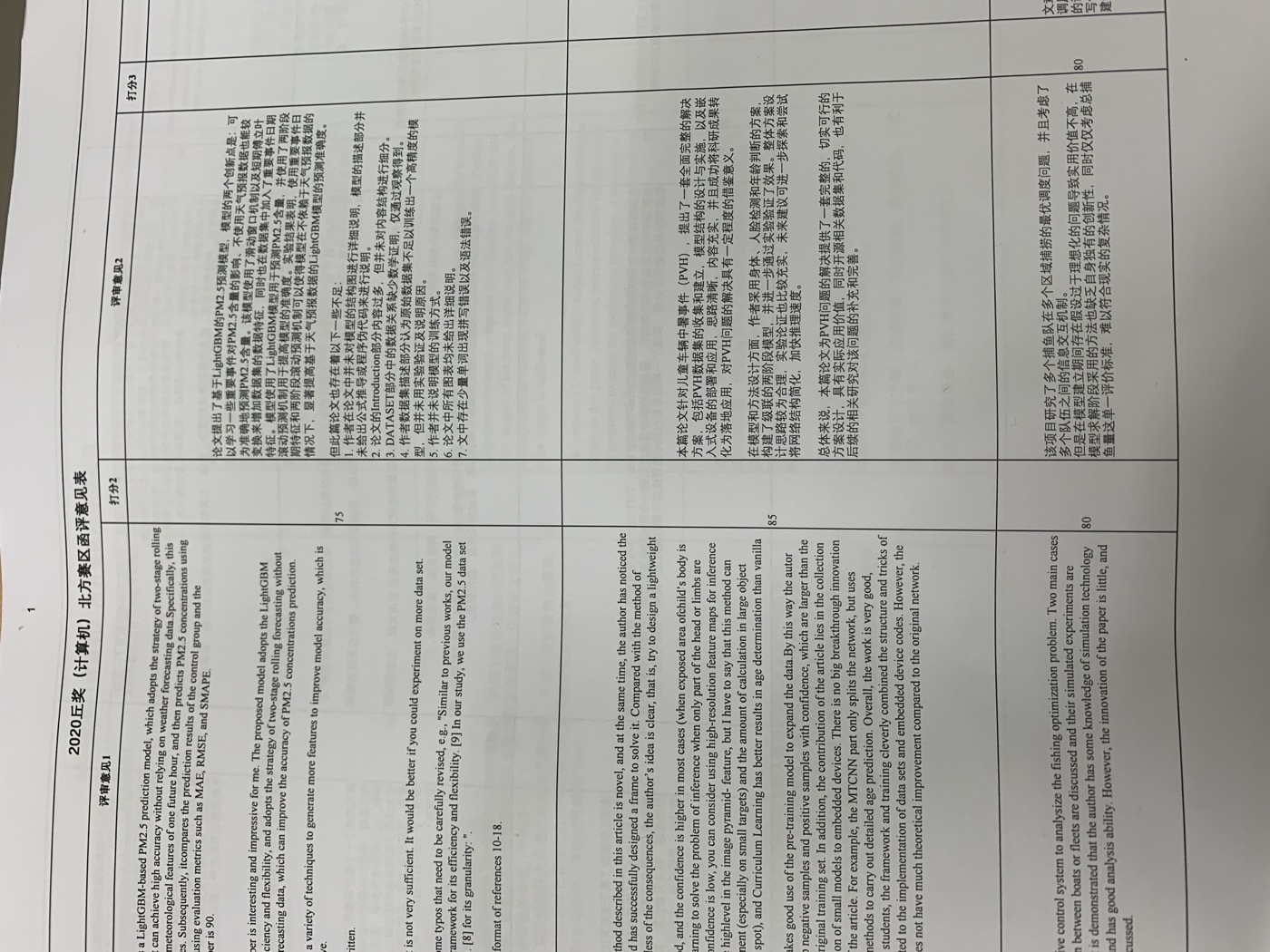
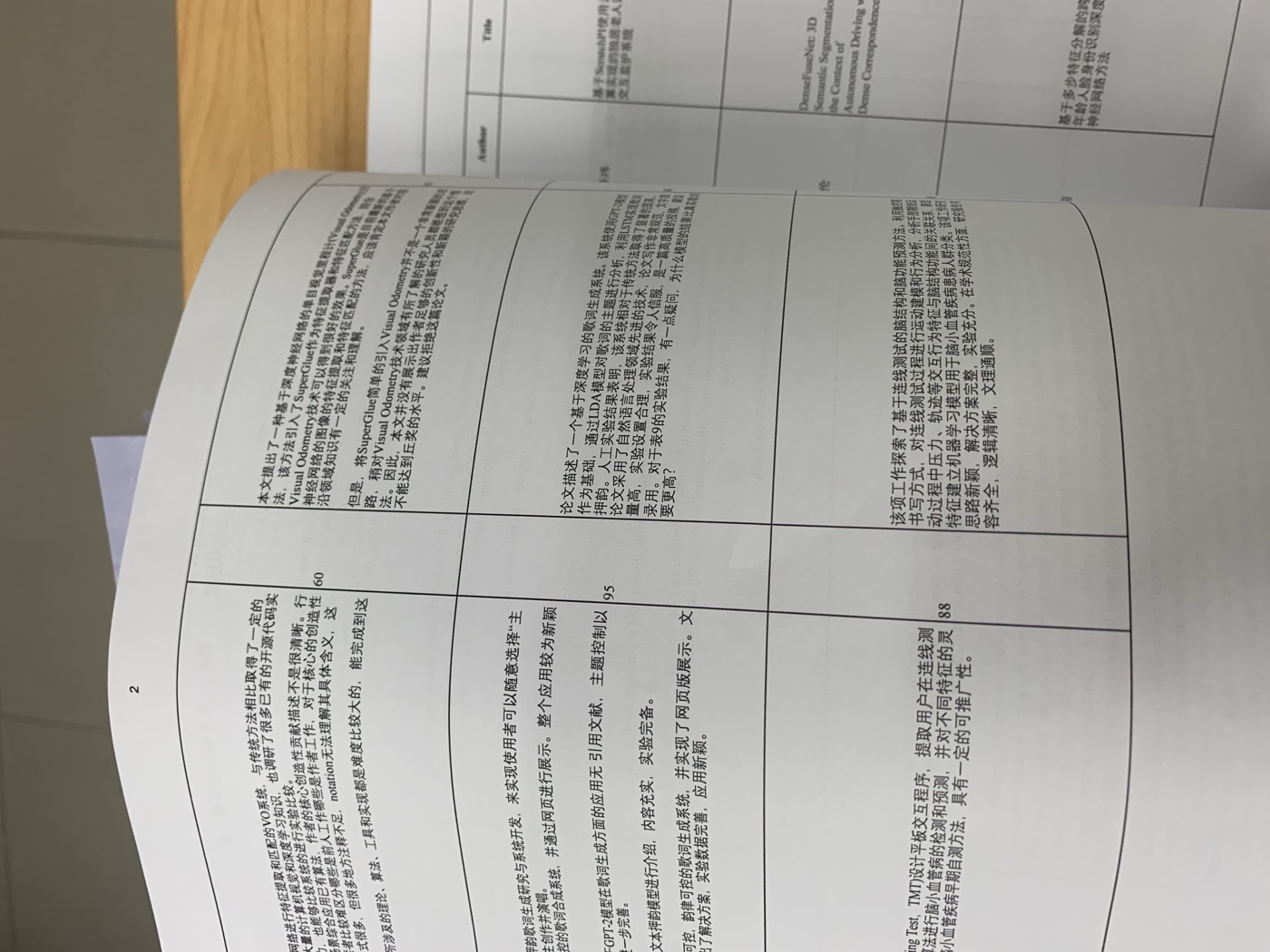
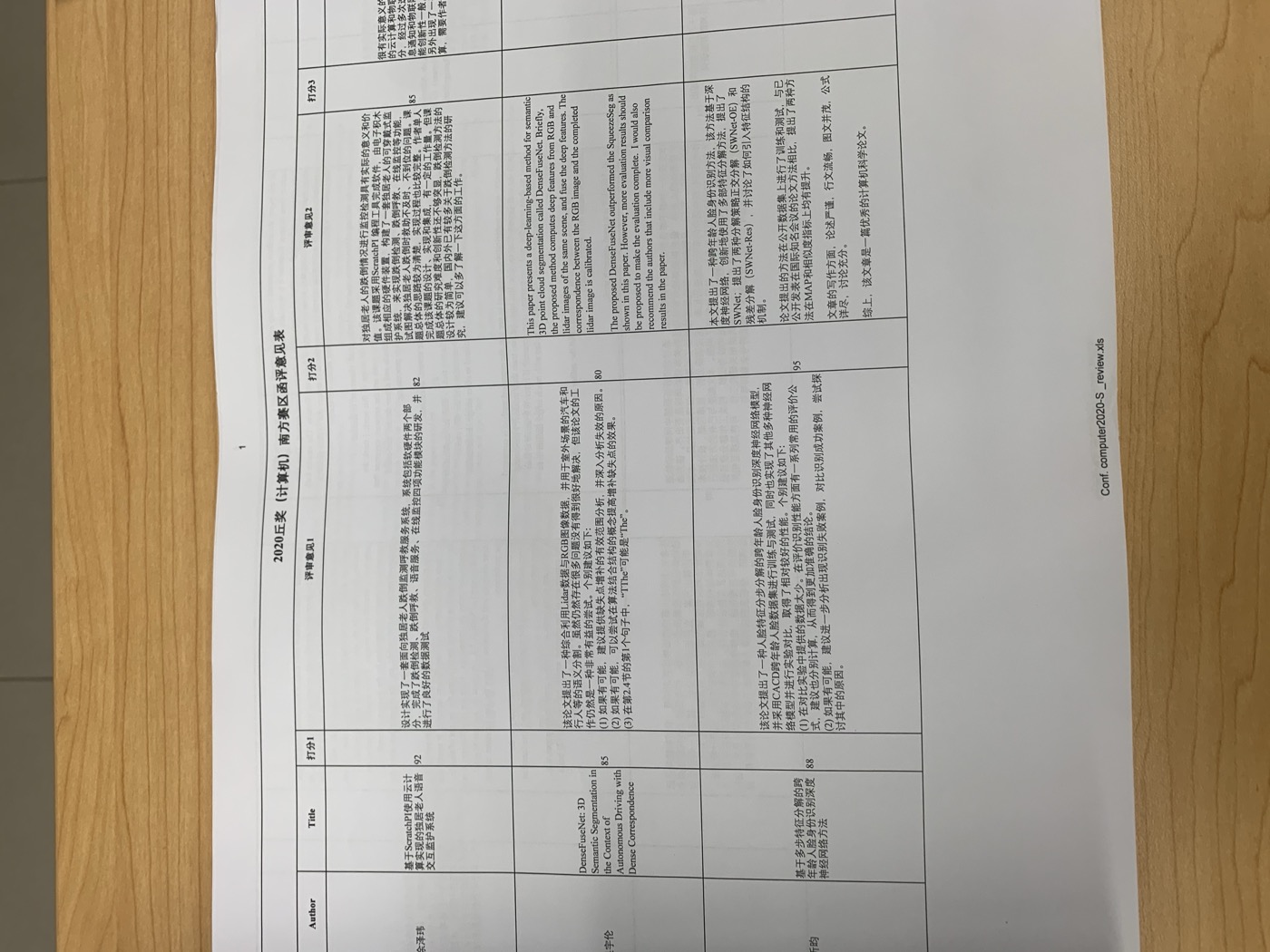
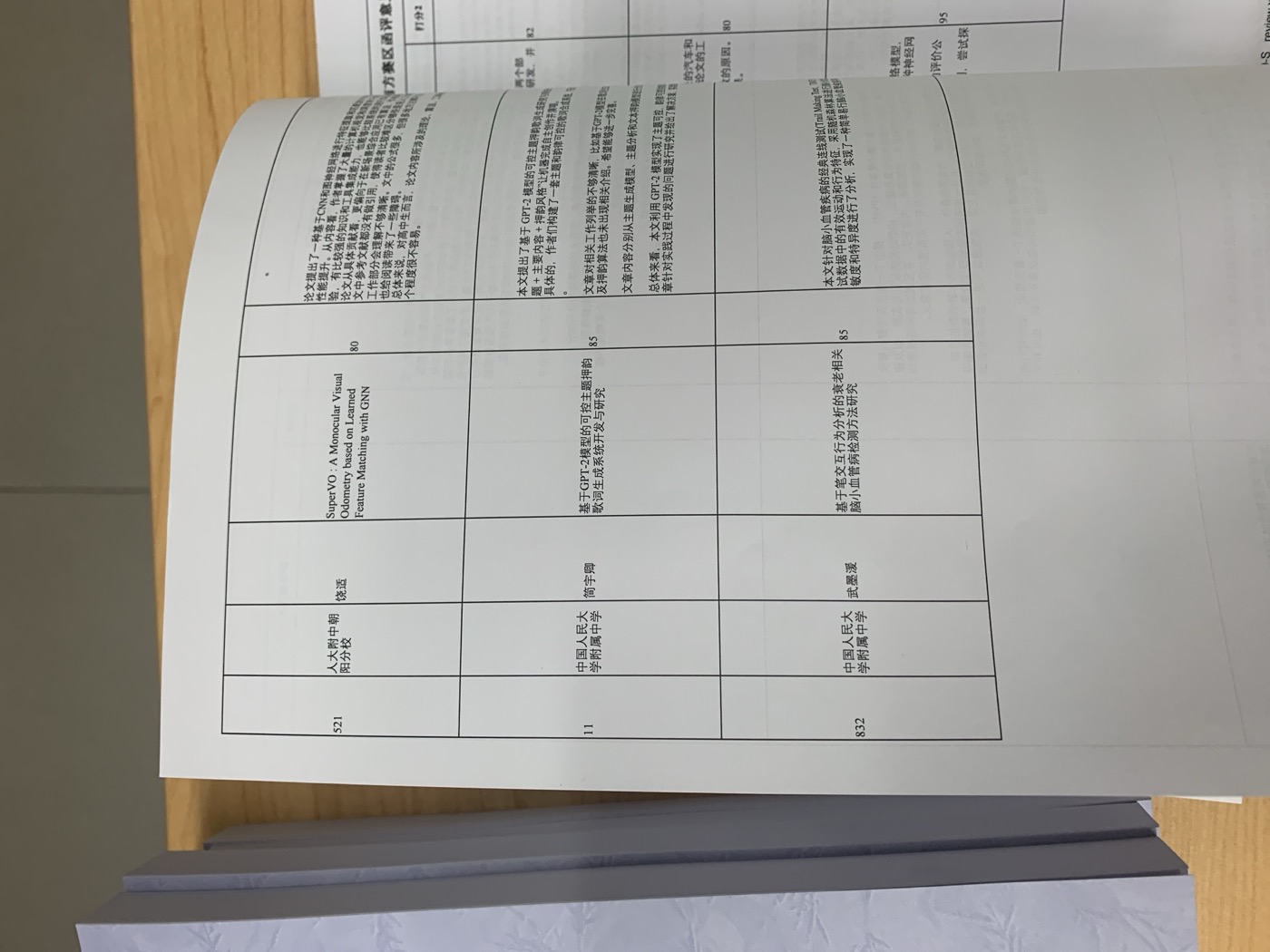
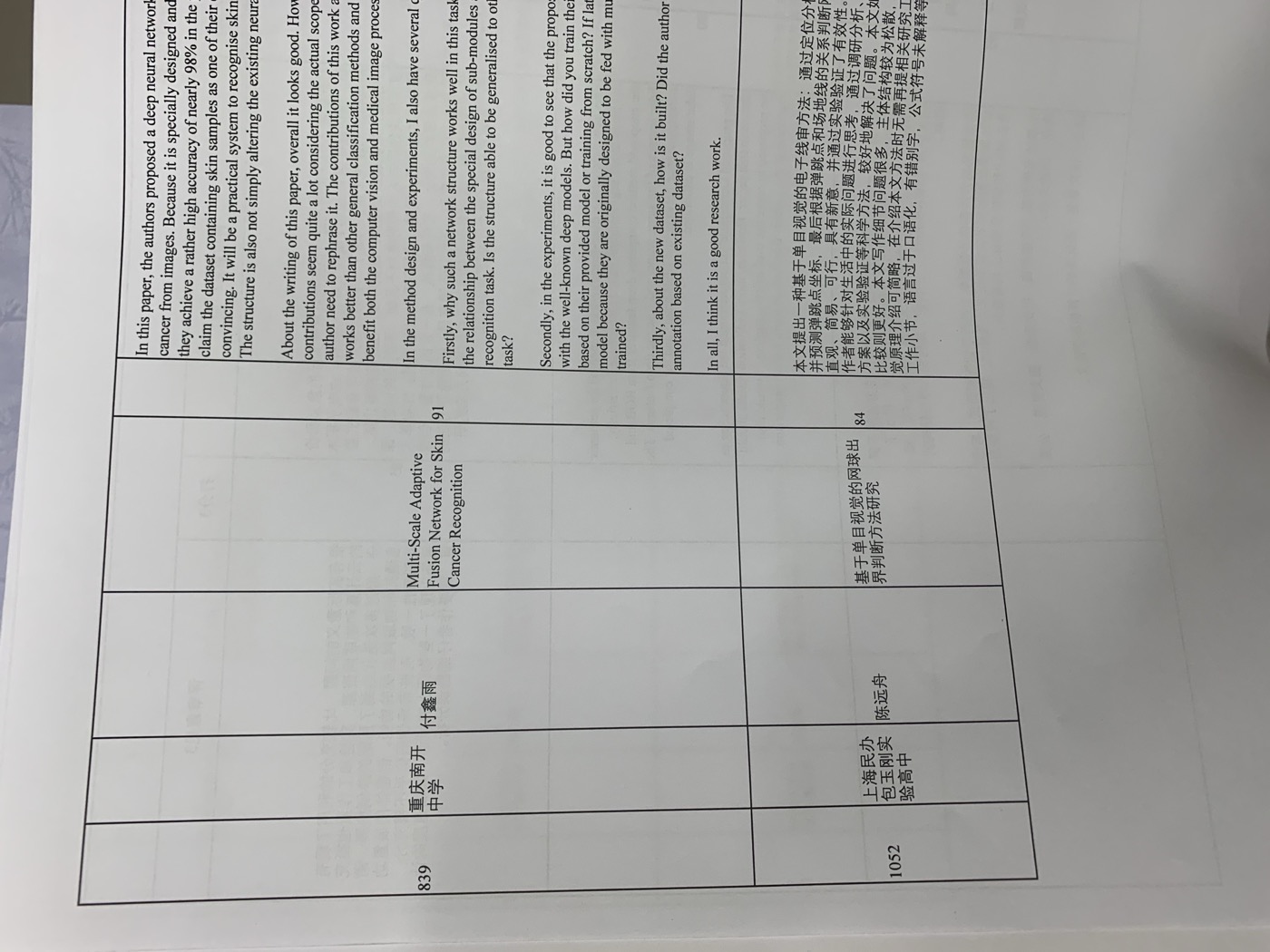
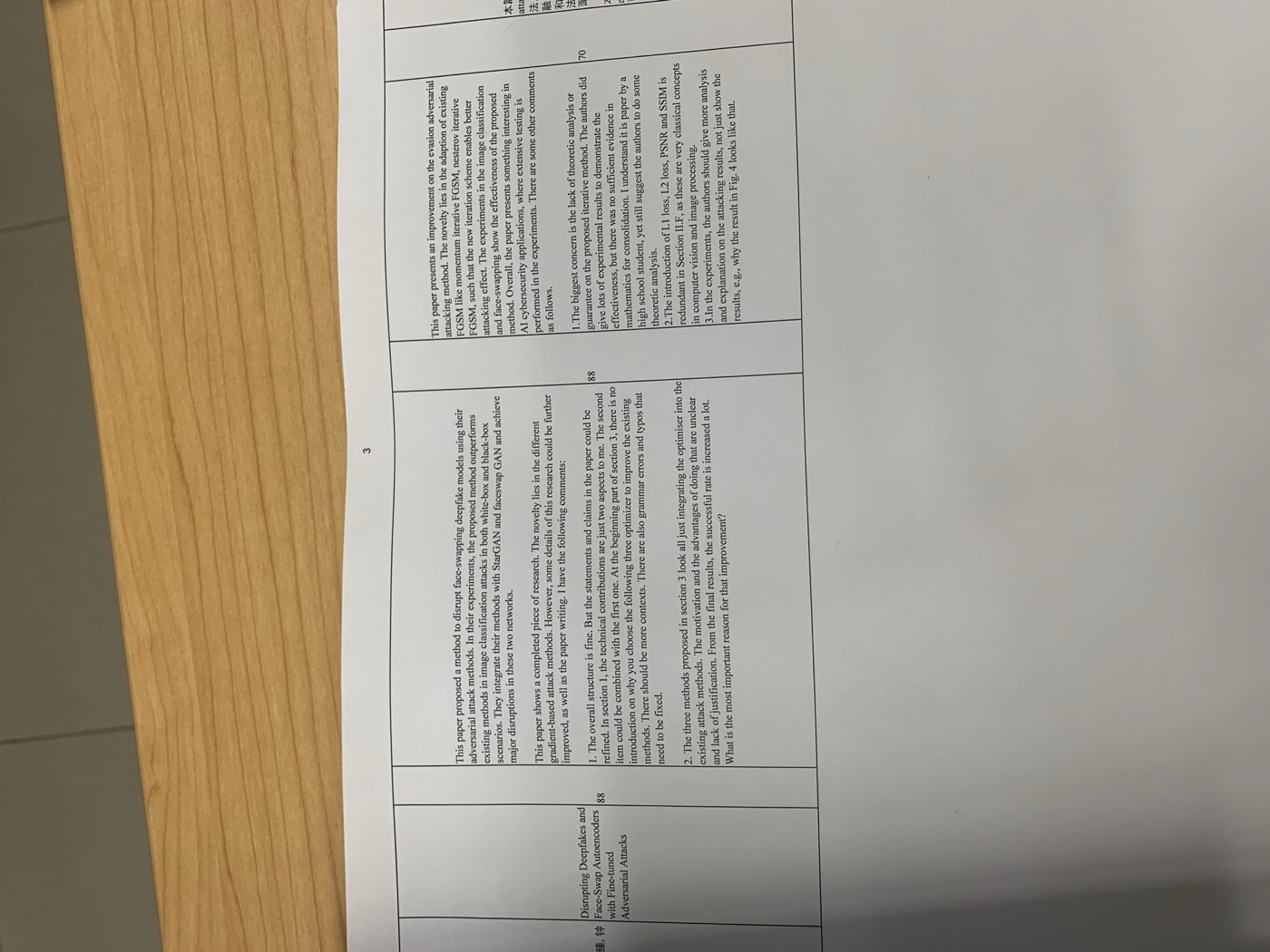
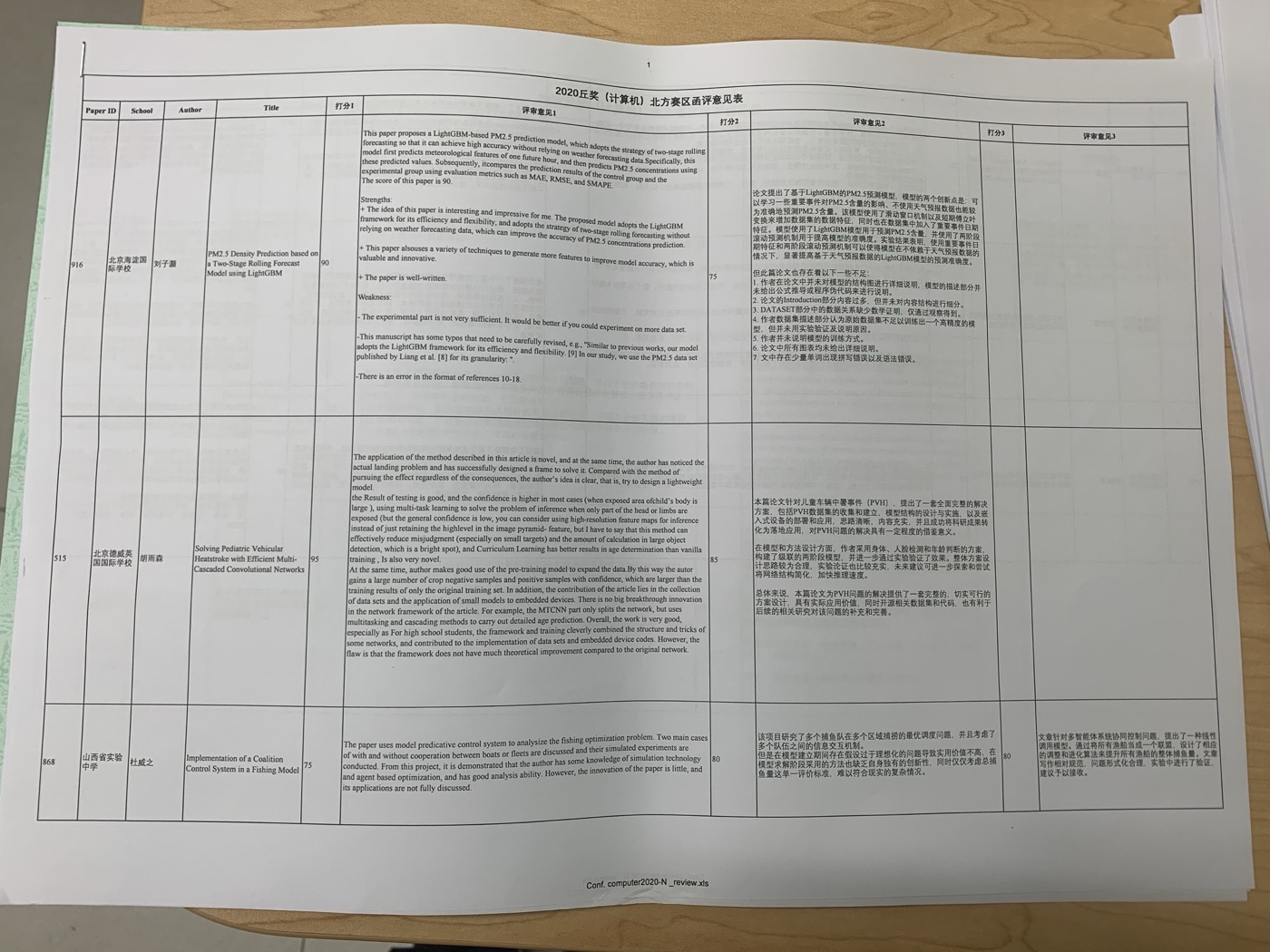
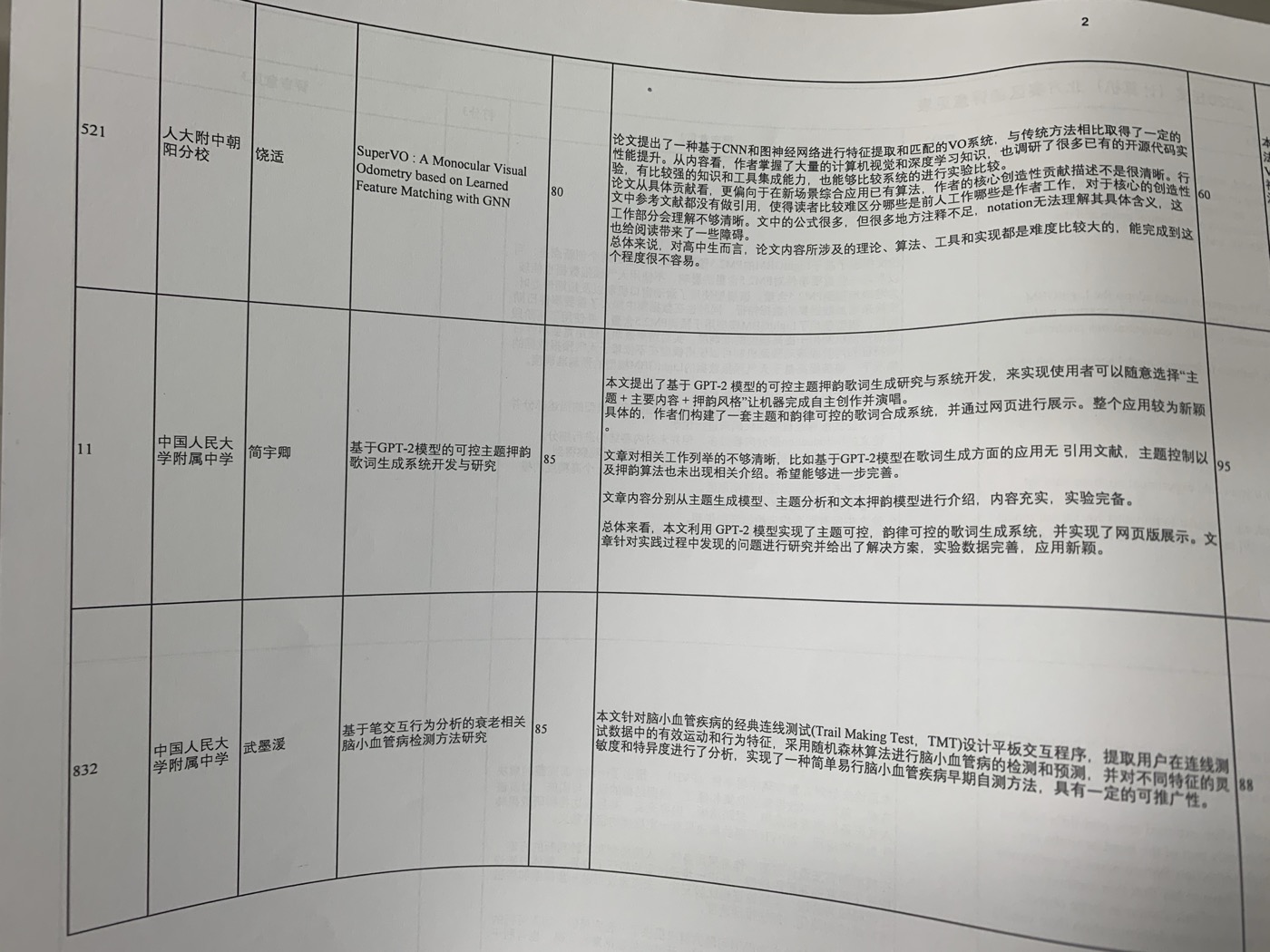
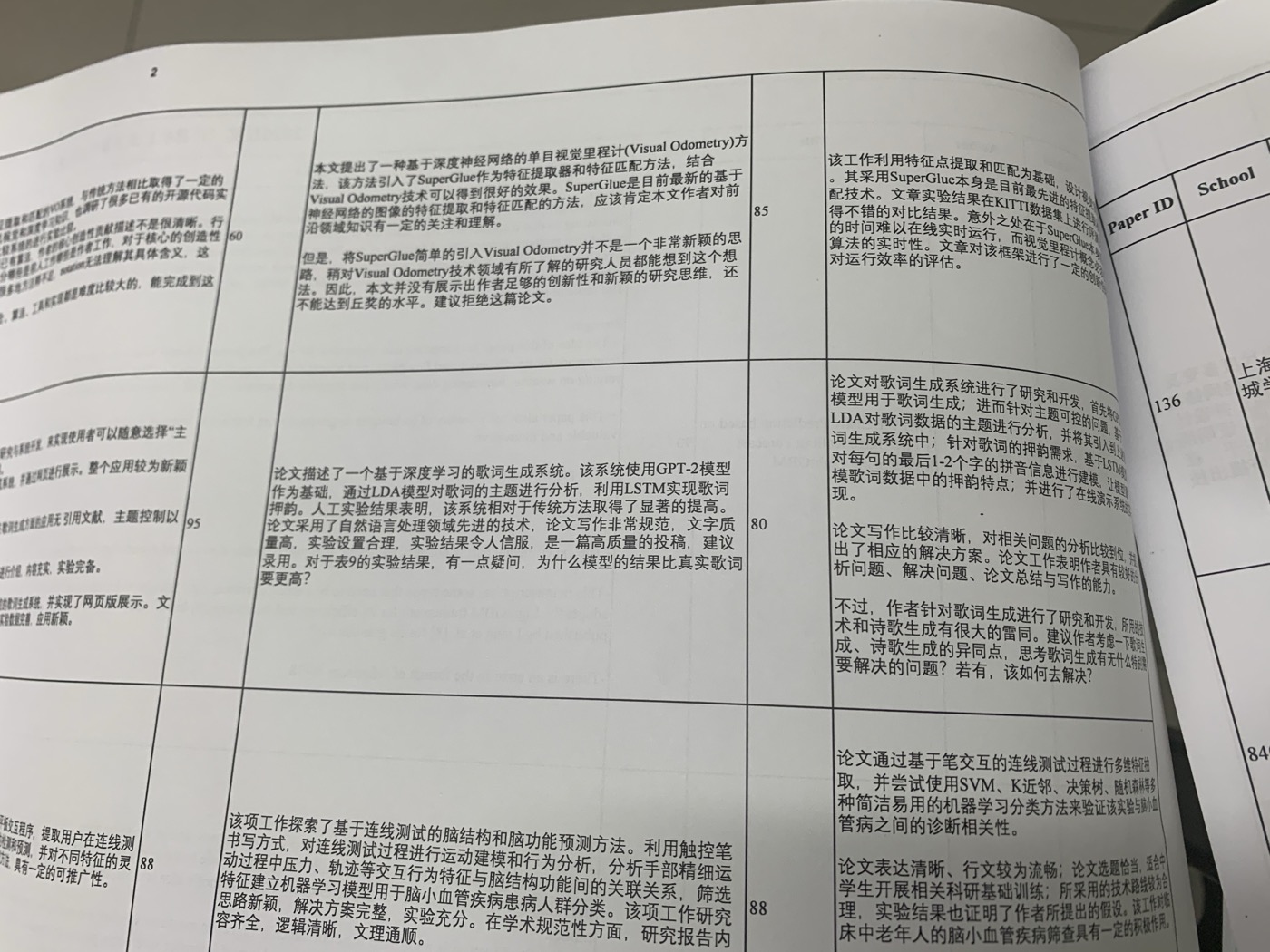
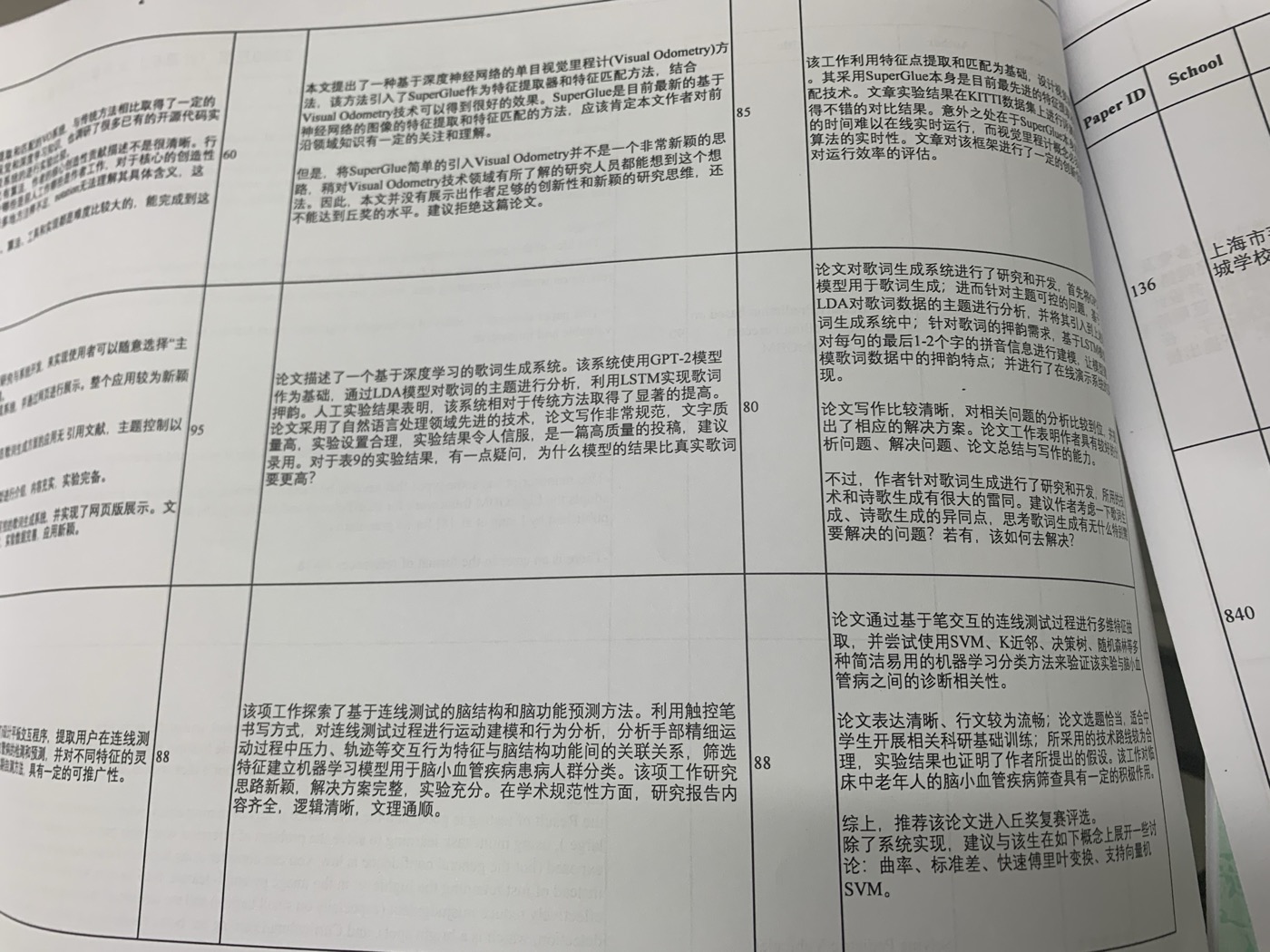
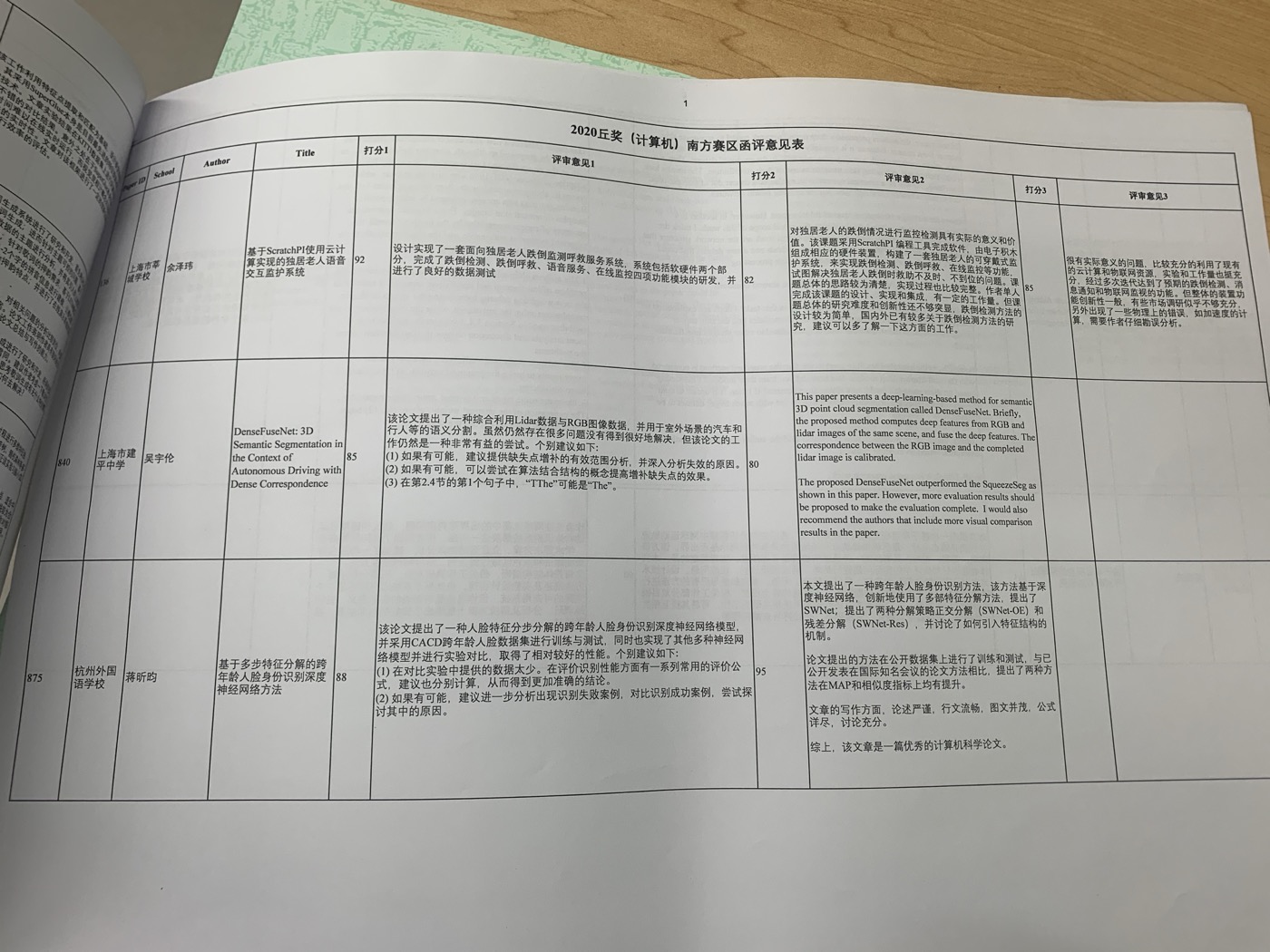
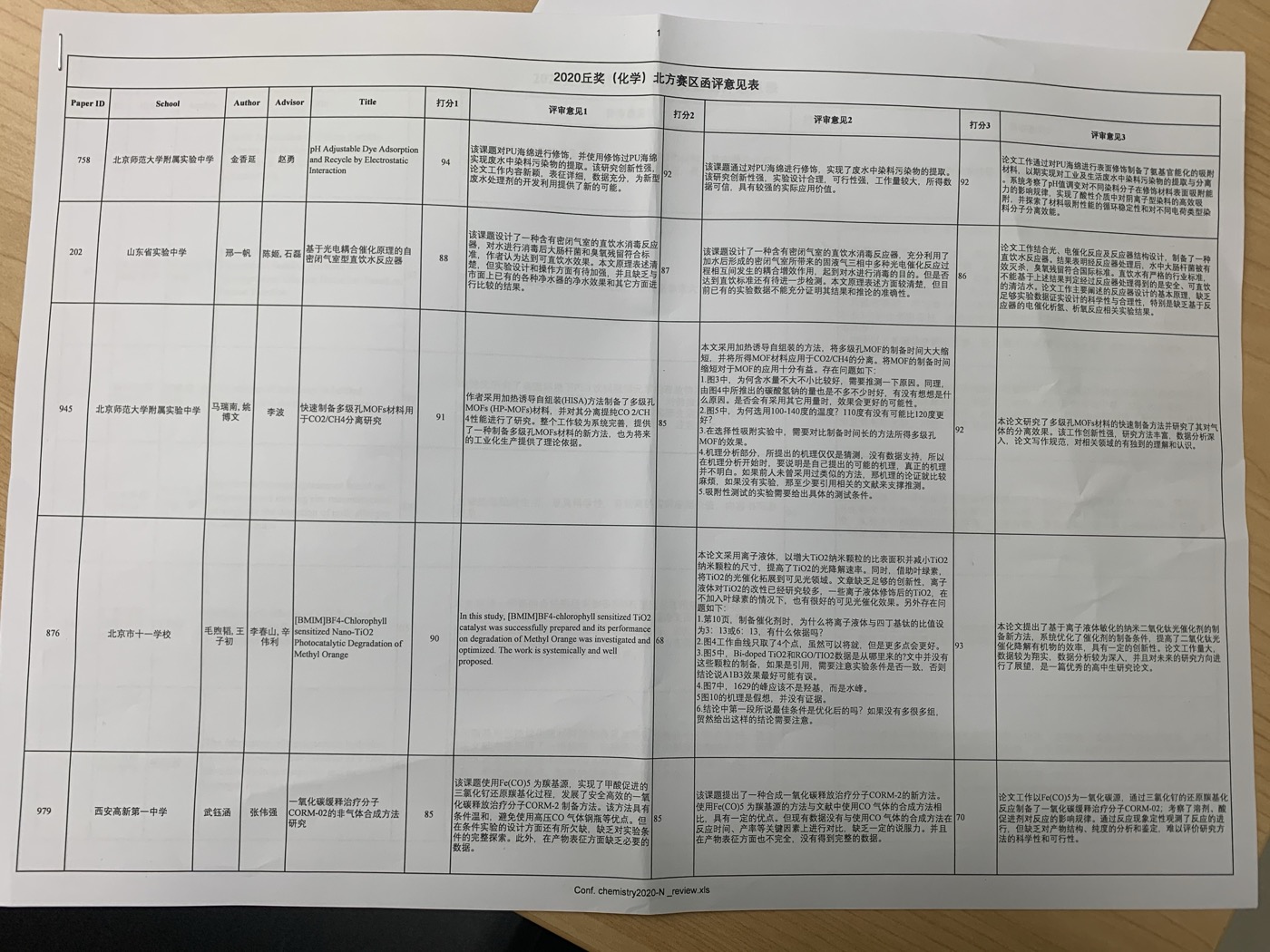
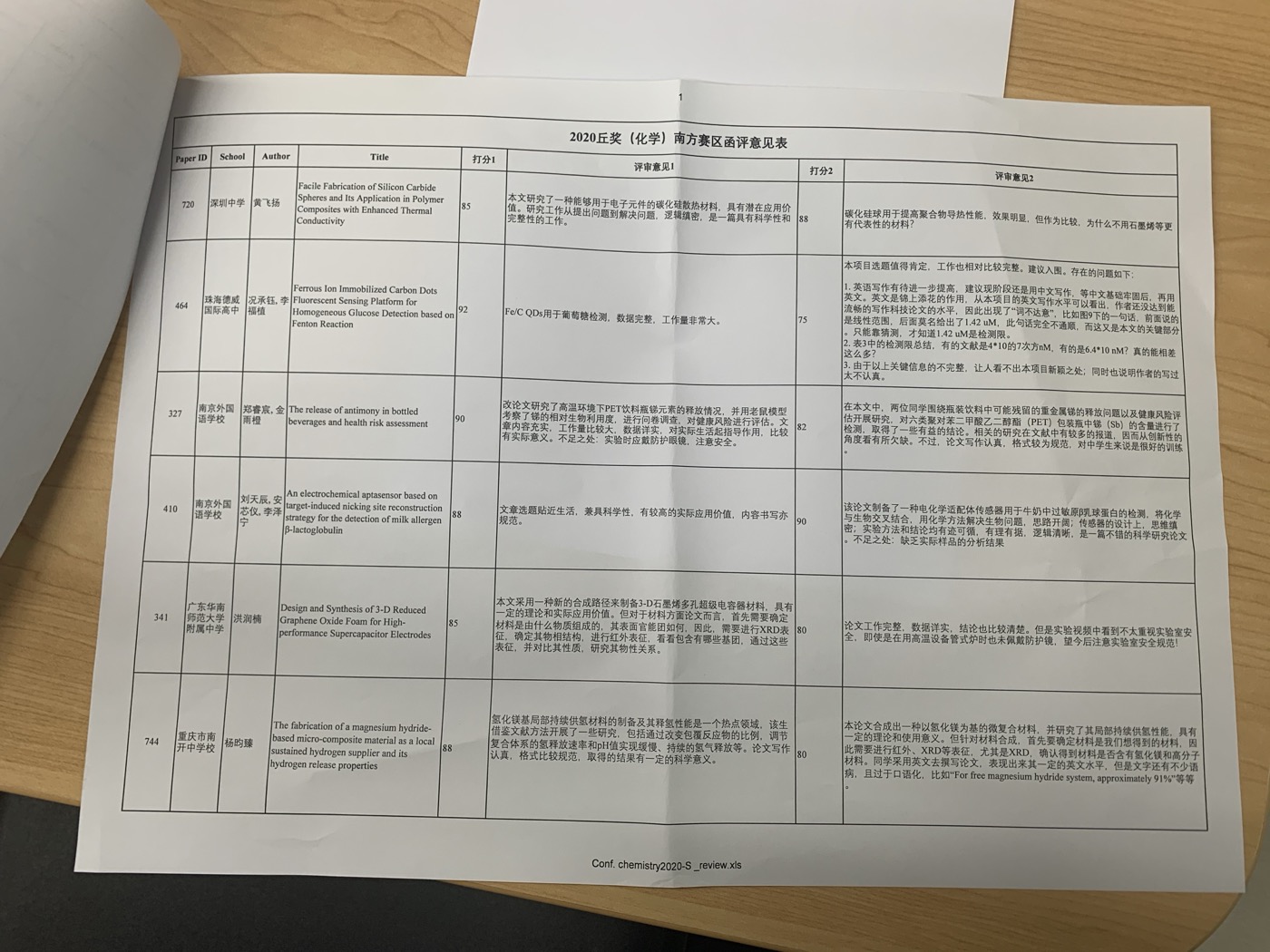
The following photos are from the desk review stage.