
Why I No Longer Recommend the S.-T. Yau Award
为什么我不再推荐参加丘成桐中学科学奖了?
Four years coaching teams through the S.-T. Yau High School Science Award — two third prizes, two honourable mentions, multiple finalists, multiple semi-finalists. Two consecutive visits to the national final in Beijing, including a photograph with Shing-Tung Yau himself. A white paper of my own, tens of thousands of words long, posted freely on Xiaohongshu and promptly censored for sixty days. This is not criticism from the outside. It is a field report.
The short version: the competition is no longer worth the investment for students pursuing US college admission. Here is the case in full.
1. Weak signal for international admissions
On paper the competition looks impressive: founded by a Fields Medal winner, hosted at Tsinghua University, a prize pool of roughly USD 200,000 per year, thousands of papers submitted globally. In practice several structural features undermine its signal value.
The competition claims to be open to all high school students worldwide but in reality draws participants almost entirely from China — and the regional structure reflects this. A student who reaches the national final can truthfully claim only a "regional" placing on the Common Application, because the rounds before the final are organised by region. Calling it "International" feels tenuous when every competitor in the room is Chinese.
Several of my students at US high schools reached the final or won regional prizes and then sat down with their school counselors, confident and excited. The response, without exception: What is this competition? You will need to explain it carefully. The counselors requested that the following explanatory note accompany every mention of the award in application materials:
"With a format similar to ISEF, the S.-T. Yau High School Science Award is a global science competition founded by Fields Medal winner Shing-Tung Yau, which has a prize pool of $200k annually. With thousands of papers submitted each year, it is the largest global science fair for high school students hosted in China. North America First Prize, and Global Finalist."
A competition that requires a paragraph of explanation before an admissions officer will take it seriously is operating at a different level from ISEF, Regeneron STS, or the Putnam — competitions that speak for themselves.
2. Public records are hard to find
Even if a counselor or admissions officer wants to verify the award, they face an obstacle: the official website is in Chinese by default. Clicking "English" adds a legal disclaimer in translation and essentially nothing else. As of mid-2024, the 2023 national final results had not been published — only regional results for China were available for prior years.
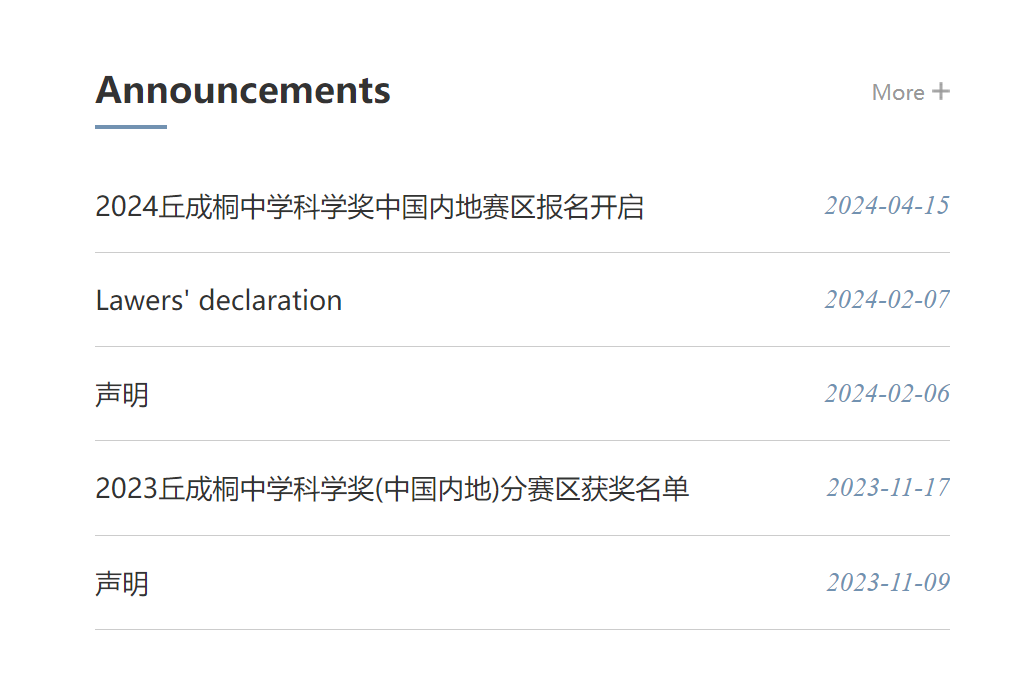
Official site showing regional-only results, 2024
A competition that costs families the equivalent of tens of thousands of dollars to enter — in guidance fees, travel and preparation — should at minimum publish a verifiable, English-language list of winners. It does not.
3. Organisational lapses
The competition prohibits commercial organisations from advising or preparing students, and requires the student and their supervising institution to sign a declaration. In practice, every serious entrant uses commercial preparation, every agency uses past results in its marketing, and nobody investigates. The rule exists on paper; enforcement does not.
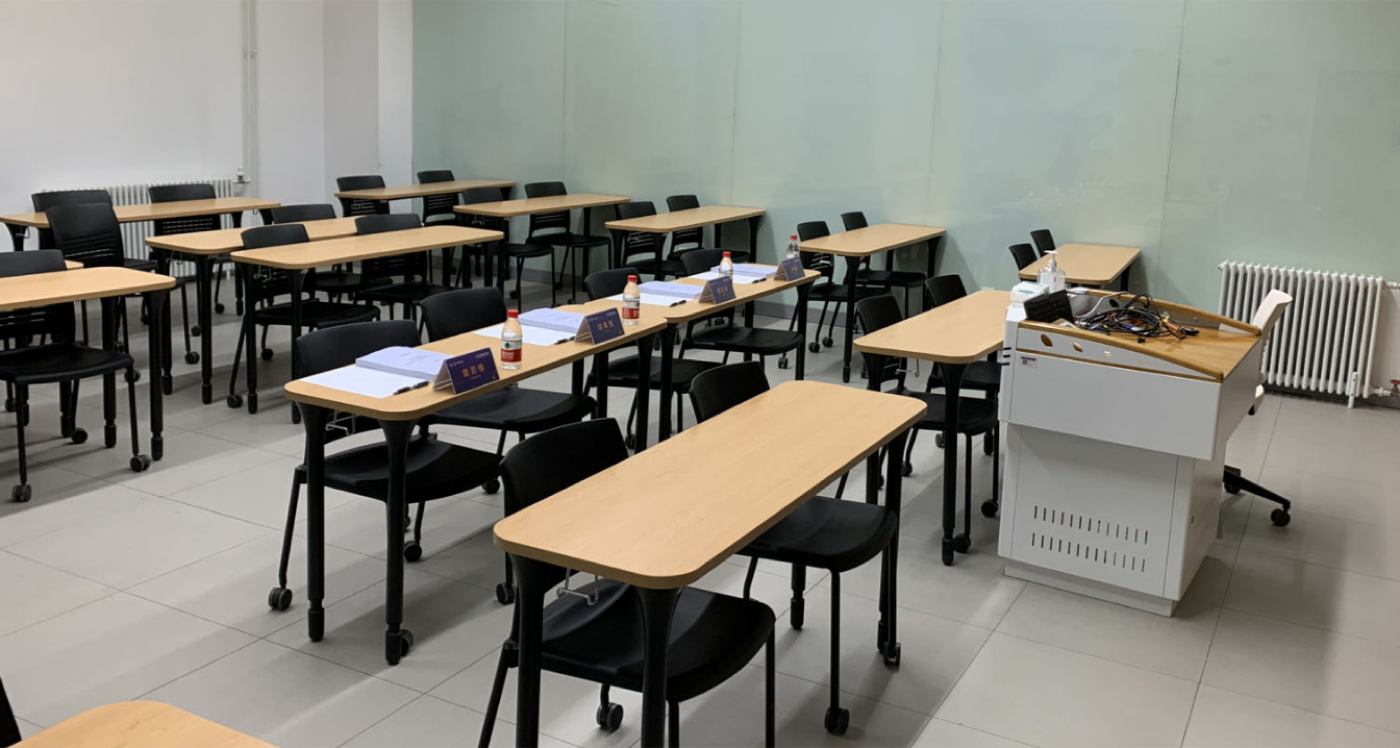
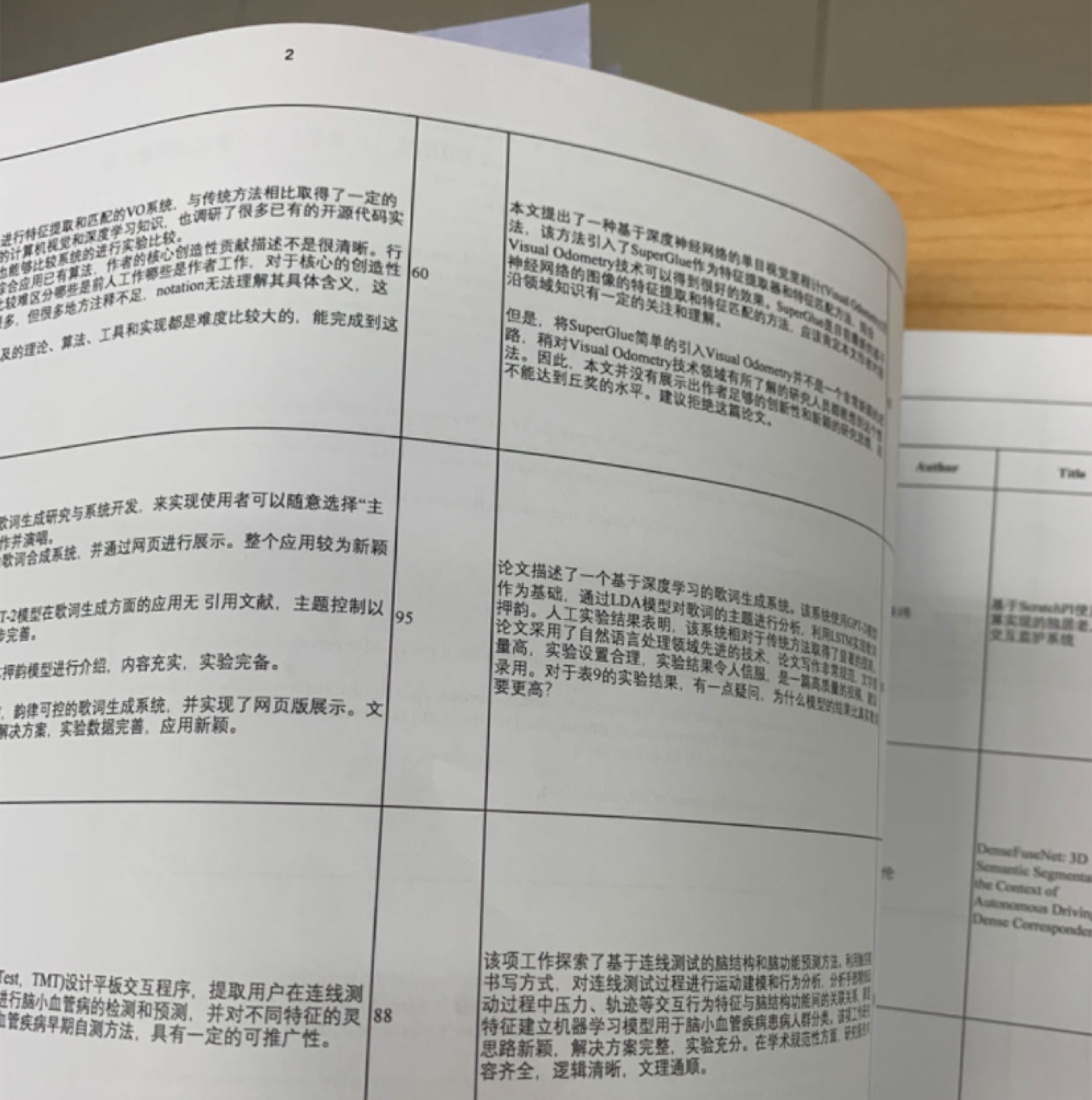
At the national final in Beijing, registration was delayed by two hours while staff set up a folding table in a hallway. More seriously: as participants, we were able to walk into the judging room before competition began and discovered that the printed paper copies of several projects were old versions — not the revised submissions that students had uploaded in the final submission window. The judges would have evaluated outdated work had a complaint not been filed through a contact at Tsinghua the same evening.
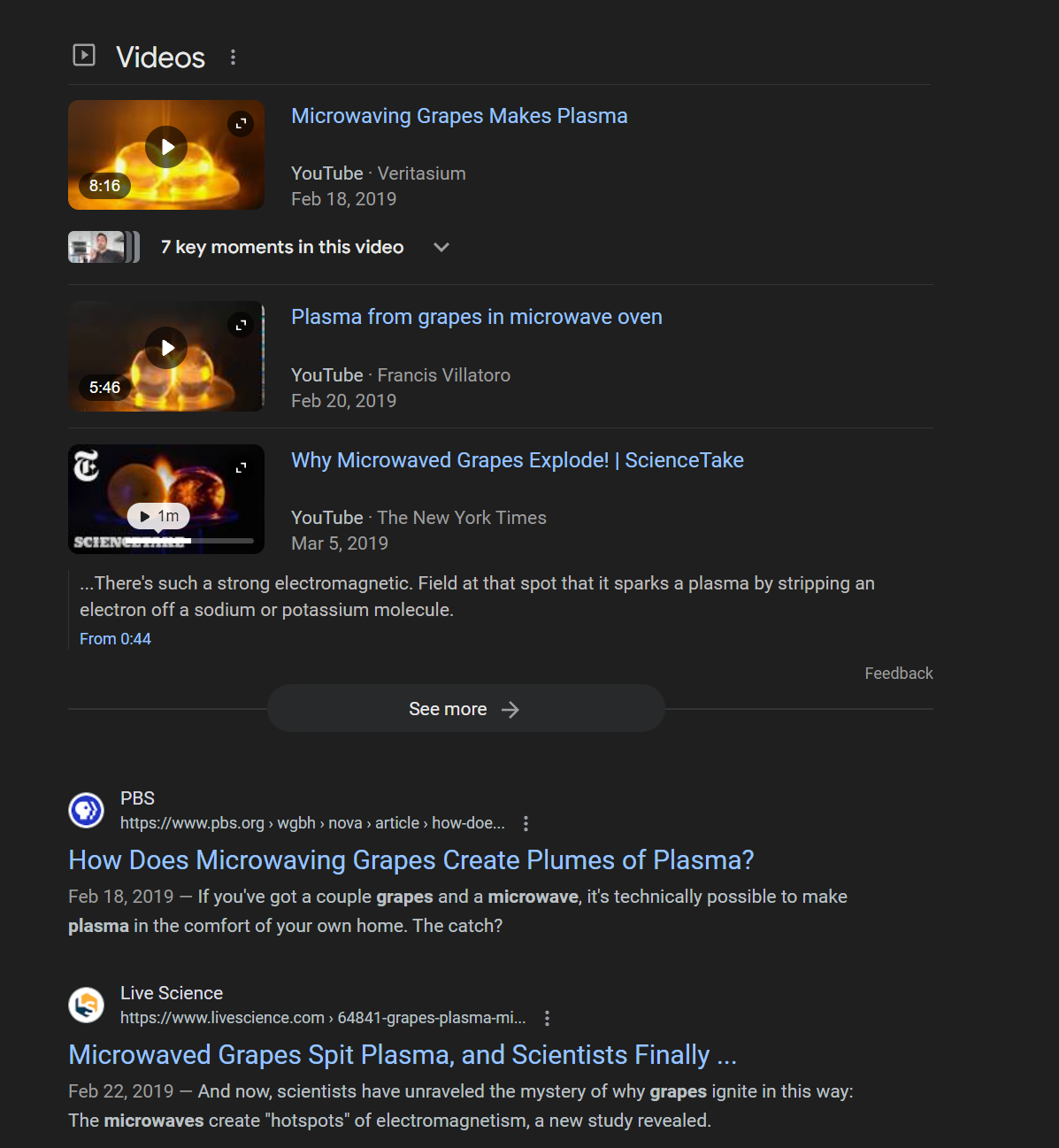
The broader concern is academic integrity. At ISEF and iGEM, conflicts of interest must be disclosed; commercial involvement is permitted but regulated. The S.-T. Yau Award bans commercial involvement, then declines to enforce the ban — which means the ban does not prevent anything, it merely removes transparency. A 2021 gold prize in physics went to a project on plasma discharge in grapes; substantially similar work had been publicly available since 2019. No one raised a flag.
4. The atmosphere is poor
Competition should be fun. ISEF brings in a DJ. Projects are displayed on open exhibition floors where students spend days talking to each other, to judges, to university recruiters, to sponsors. They exchange contact details, share meals, make friends. The conversations are often more valuable than the prizes.
The S.-T. Yau Award operates on a completely different model. Semi-finalists and finalists are placed in rooms, surrounded by a panel of judges, and interviewed in sequence. Between rounds, students wait. The format is borrowed from adult academic viva examinations, with none of the open-floor energy that makes science fairs memorable. There is no designed space for peer exchange or networking — two things that, at the best competitions, are the main event.
5. The connections problem
Every family that consults me eventually asks some version of the same question: is there a way to improve our chances through connections? The frequency of that question, and the specific rumours that circulate — a student from a particular family background winning an award in a field unrelated to their declared expertise, a winning student's mother standing up at the announcement and surveying the room with a particular expression — suggests a perception problem that the organisers have not addressed. Perception, in competitions that depend on prestige, is close to reality.
Conclusion
The S.-T. Yau Award has genuine strengths — the intellectual ambition behind it is real, and Shing-Tung Yau's commitment to elevating high school science in China is sincere. There is always something left to love. But the combination of weak international name recognition, absent English-language transparency, inconsistent administration, closed-room format and persistent perception questions makes it a poor use of the time and money that students targeting top US universities would otherwise spend building genuinely distinctive research profiles. Until substantive reform, I no longer recommend it for that purpose.