The open letter went public on May 21st. I have been following the case closely since then. ISEF officials have taken down the project materials — which is itself a confirmation that something is wrong — though a formal investigation report has not yet been released. Out of respect for the official "Exercise Caution" advisory, the student's name is not included here.
The full open letter is searchable: look up "ISEF ENEV081 open letter." What follows is my own analysis of the documented evidence.
What Was Actually Proven
1. Figures lifted directly from published papers
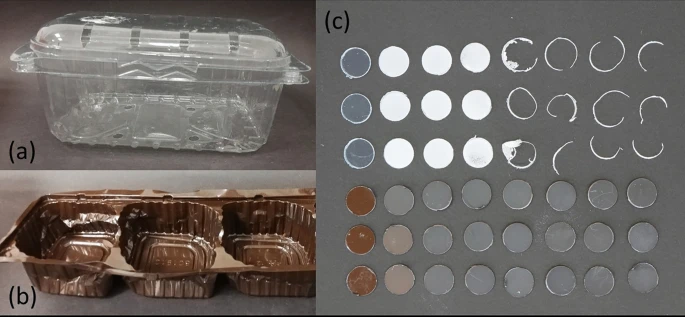
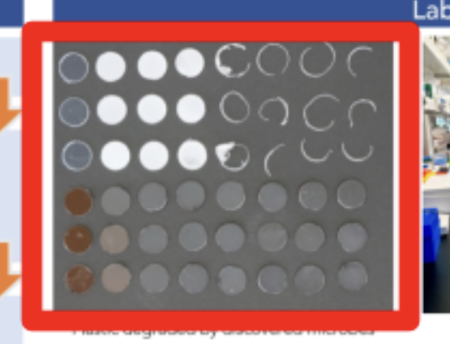
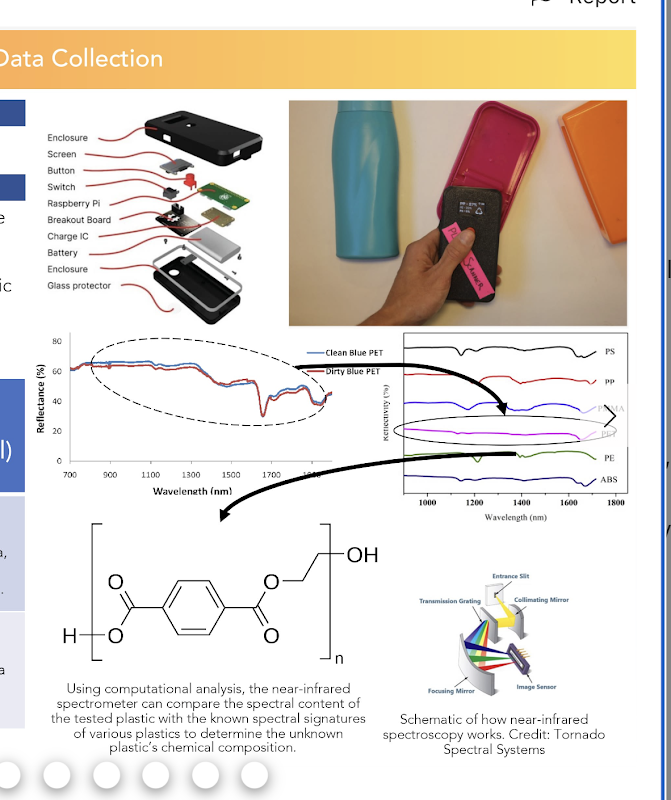
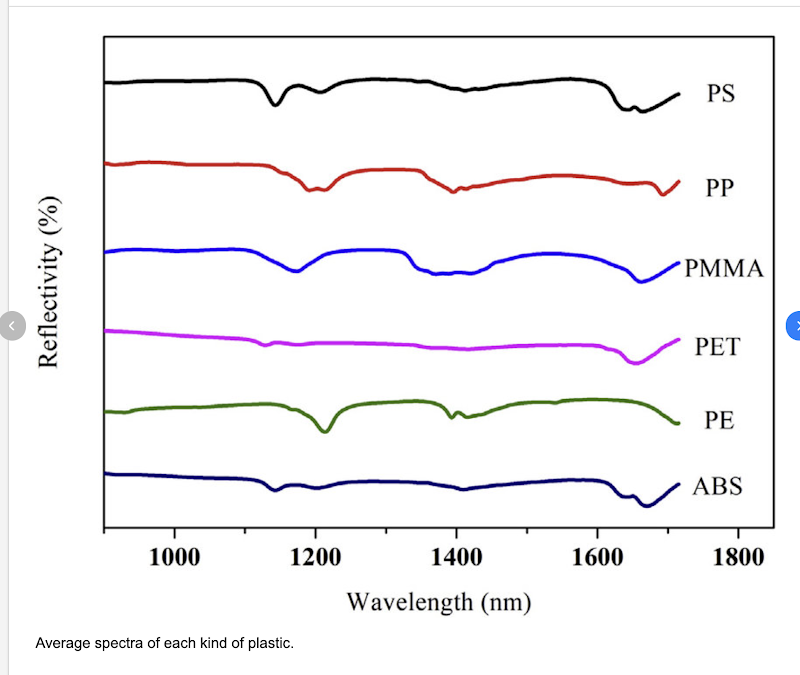
A figure from a 2022 paper appeared on the student's display board with no attribution — an exact copy, not a redraw. This is the kind of thing a reverse image search catches immediately. It is stunning that it made it through.
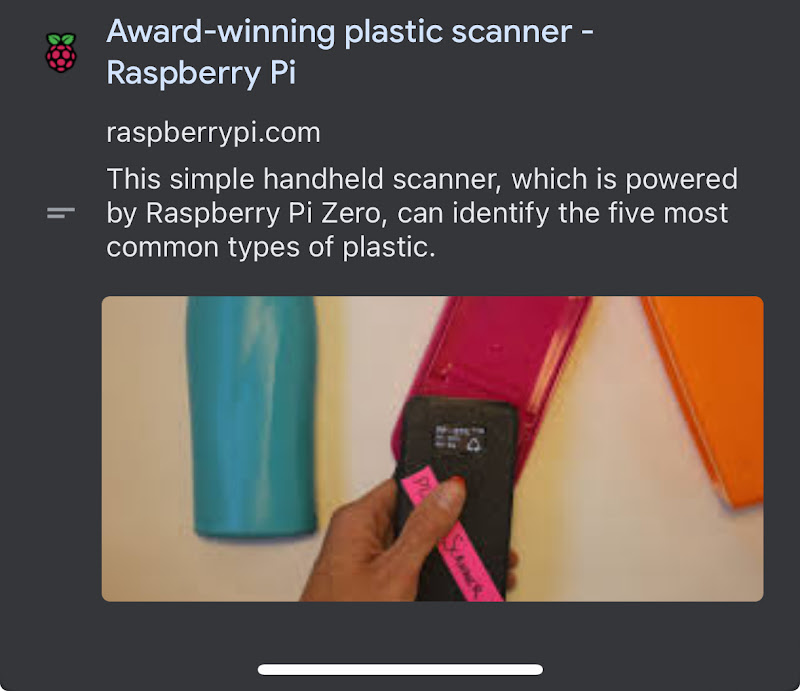
2. A Raspberry Pi device presented as original hardware
The student claimed to have built a device. The device appears to be a pre-existing 2021 project, reproduced on the display board as if it were original work.

3. A false novelty claim contradicted by the student's own appendix
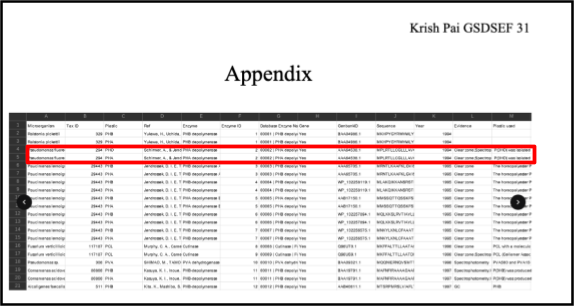
The project claimed that its algorithm had discovered two previously unknown bacterial species.

Both species were described in the literature in 1994. The student's own appendix cited this literature — meaning the student had access to the refutation of the claim they were making, and made it anyway.
4. A staged laboratory photo
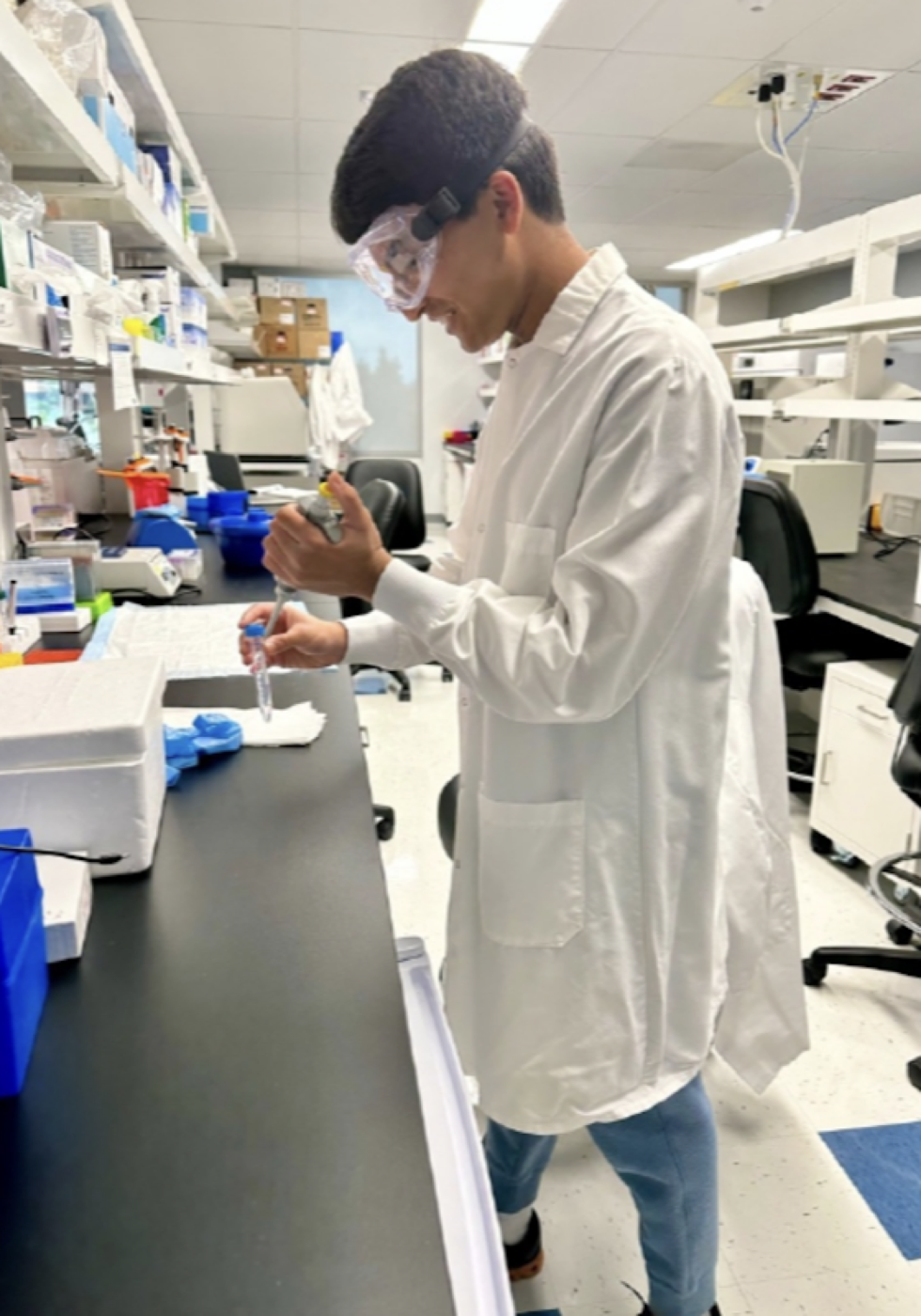
A photo presented as evidence of wet lab work was identified as a staged image with multiple amateur errors: a pipette held incorrectly (palm grip rather than finger grip), no tip on the pipette, a sealed vial being "worked on," and the lid of the solution placed face-down on a non-sterile surface.
Why Judges Did Not Catch It
The materials were genuinely well-produced. The display board was dense with information, used visual hierarchy effectively, and gave the impression of a thorough, multi-component project. Judges cannot verify every source in real time — that is not realistic. What makes this case instructive is precisely that the fraud was execution-level good. The content underneath was not, but the packaging was convincing.
What Is Actually Worth Copying
The project demonstrates two things that are legitimate to learn from, even in this context:
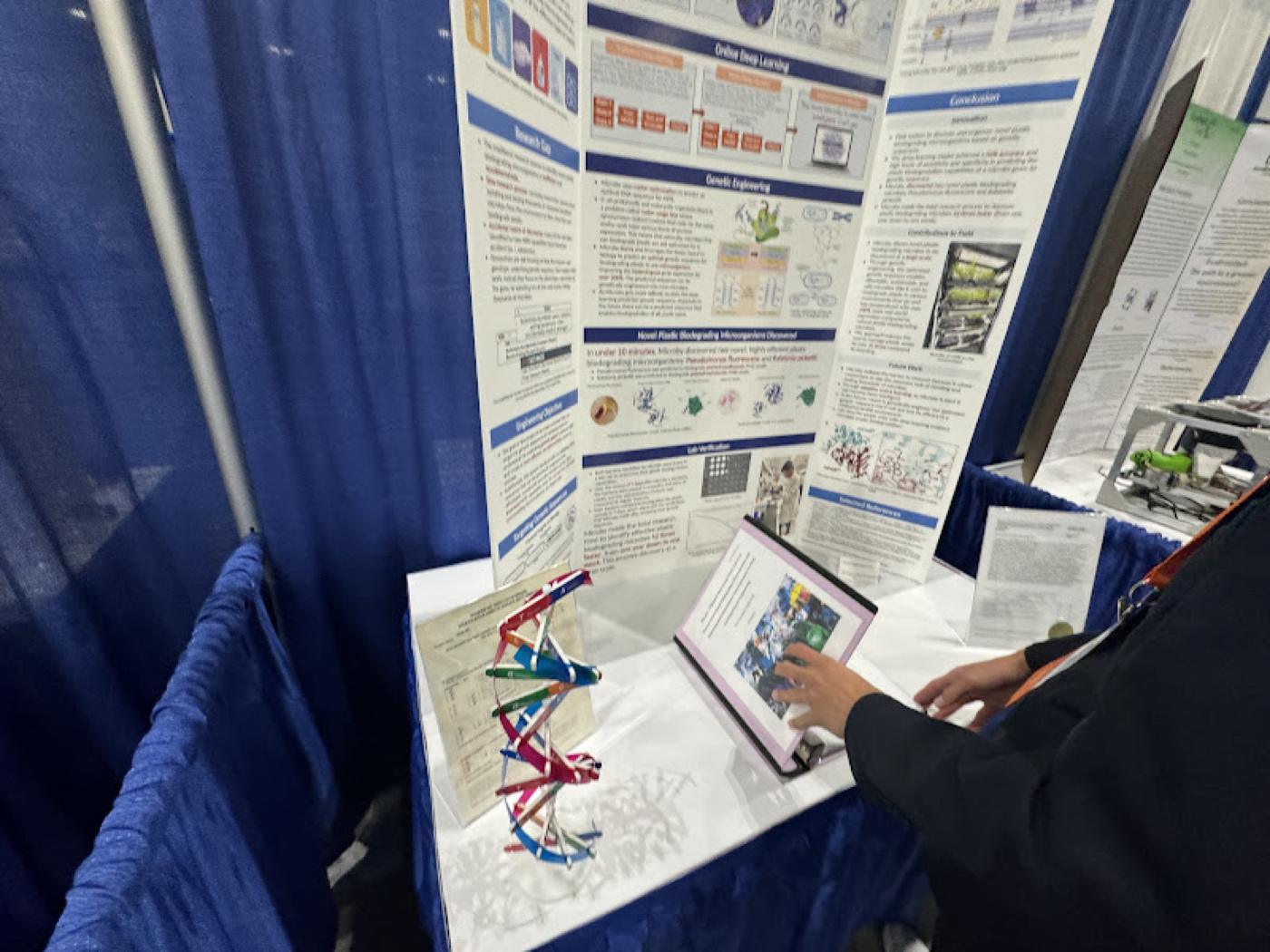
- Make the problem comprehensible. Most judges are not specialists in your exact topic. The display board, poster, and any supporting materials need to make the problem, method, and result clear — not just to experts, but to someone encountering the field for the first time. Dense information, color coding, flowcharts, and visual structure all help. Students who are told to "keep it simple" by their teachers often end up with boards that look elegant but leave judges confused about what the work actually showed.
- Make the project feel complete. From the initial question through experimental design, data collection, analysis, and conclusion — every stage should be documented. Bonus components (simulations, multiple variable controls, comparative benchmarks) signal seriousness. This project, even in its fabricated form, understood that completeness matters and assembled the appearance of completeness aggressively.
A forum commenter put the underlying dynamic well: high school research is almost always done within a group — the student is essentially an apprentice. What judges and admissions readers are evaluating is not whether the student invented something, but whether the student demonstrated genuine engagement, learning, and contribution within that context. The project's sophistication belongs to the lab; the question is how well the student understood and communicated it.
What Is Not Worth Copying
- Malicious plagiarism. Lifting figures that are directly reverse-image-searchable is not just unethical — it is incompetent. If you must reference an image, cite it or recreate it cleanly.
- Staged photos with visible amateur errors. If your project includes lab work, the photos of that lab work need to look like someone who knows what they are doing took them. Consult someone who actually works in a lab before shooting anything.
- Denial under scrutiny. When the case became public, the response involved the student's parent doing public relations work and framing the documented plagiarism as citation errors. This made everything worse. When caught, the only defensible posture is to stand still and accept the consequences.